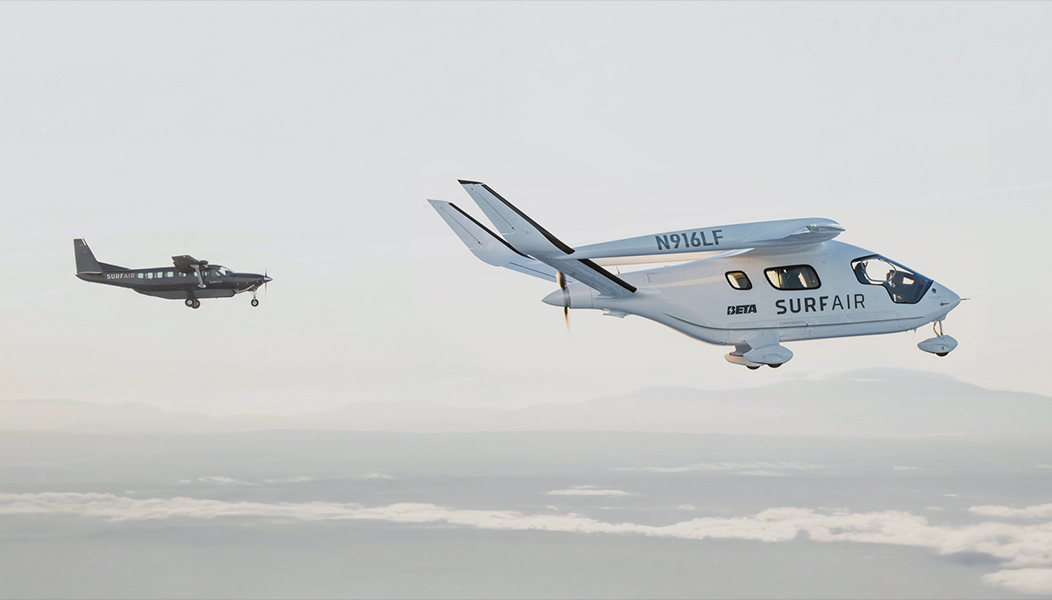
I’ve been watching the electric aviation space for a while now, but recently something shifted—Hawai‘i is no longer just part of the conversation. It’s becoming the test case.
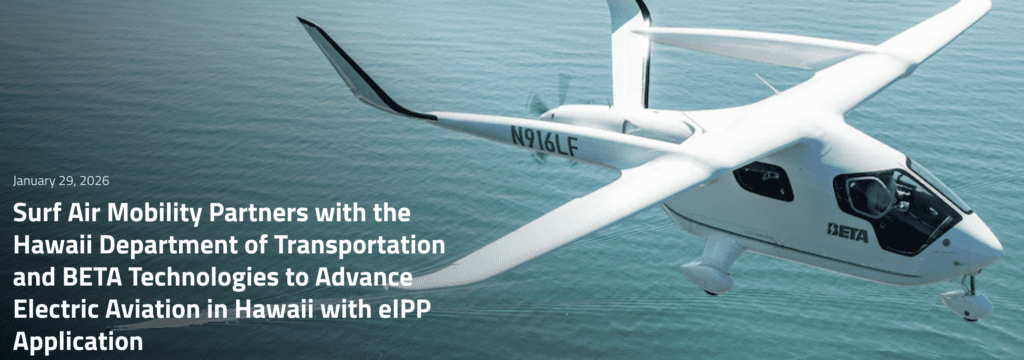
With Surf Air Mobility positioning itself to launch electric flights through Mokulele Airlines, and BETA Technologies raising over $1 billion to bring its aircraft to market, the question feels more real than ever: are electric planes actually ready for Hawai‘i—and more importantly, are we ready for them?
Why Hawai‘i Keeps Coming Up in the Electric Aviation Conversation
If I had to design the perfect real-world testing ground for electric planes, it would look a lot like Hawai‘i.
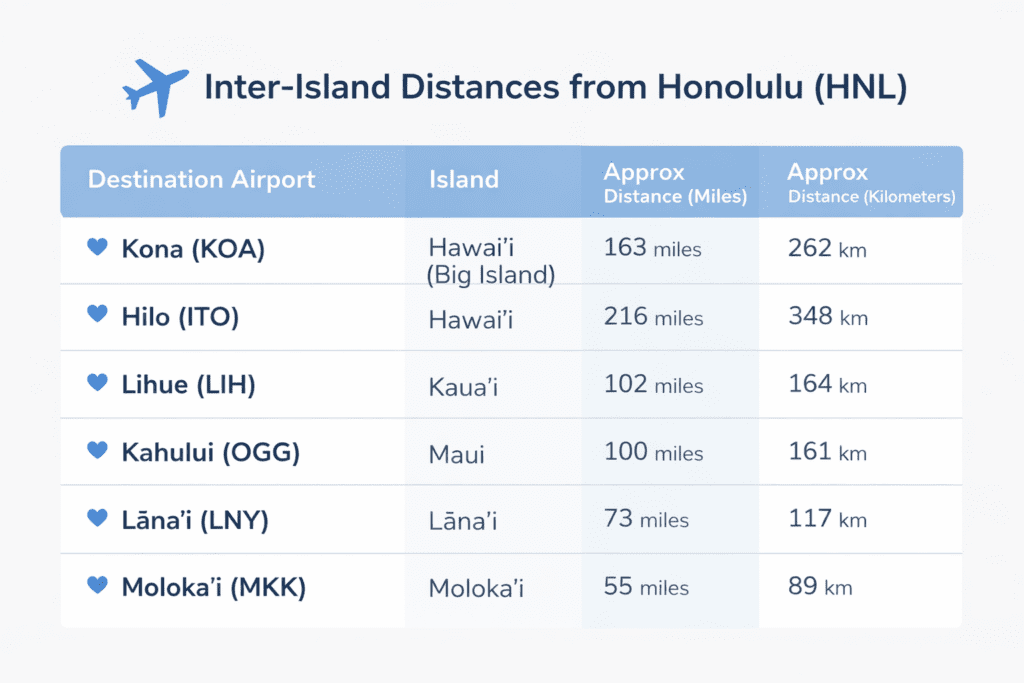
- Short inter-island routes, often under 200 miles
- High demand for frequent, reliable flights
- A concentrated airport network
- Limited alternatives to flying
That last point matters more than people realize. Unlike other regions, Hawai‘i doesn’t have robust ferry systems between major islands, so aviation isn’t optional—it’s essential.
Surf Air Mobility has been very clear about this, calling Hawai‘i an “ideal launch market.” And honestly, it’s hard to argue with that logic.
How Electric Planes Actually Work (Without Getting Too Technical)

At a basic level, electric aircraft replace traditional jet fuel engines with battery-powered motors.
What stands out to me:
- Fewer moving parts compared to combustion engines
- Lower maintenance requirements
- Significantly quieter operation
There are two main types we’ll likely see:
- CTOL (Conventional Takeoff and Landing): These use traditional runways, much like today’s planes
- VTOL (Vertical Takeoff and Landing): Think helicopter-style takeoffs, but electrically powered
VTOL aircraft get a lot of attention, but for Hawai‘i, CTOL aircraft are the more realistic near-term solution. The infrastructure already exists, and airlines like Mokulele are built around it.
Why Electric Planes Are Smaller—And Why That’s Not a Problem in Hawai‘i
One of the biggest questions I had when I started digging into electric aviation was simple: how many people can these planes actually carry?
| Feature | Current Aircraft (Mokulele – Cessna Caravan) | Electric Aircraft (BETA / Similar) |
|---|---|---|
| Passenger Capacity | 9 passengers | 5–9 passengers |
| Range | ~900–1,000 miles (far beyond needed) | ~100–250 miles (ideal for Hawai‘i) |
| Typical Route Distance | 50–200 miles | 50–200 miles |
| Fuel / Energy Source | Aviation fuel | Battery electric |
| Operating Costs | High (fuel + maintenance) | Lower (energy + fewer parts) |
| Noise Levels | Moderate to loud | Much quieter |
| Emissions | High | Zero in-flight emissions |
| Maintenance Complexity | Higher (many moving parts) | Lower (simpler motors) |
| Infrastructure Needed | Existing | Charging stations required |
| Flight Frequency Model | Moderate frequency | Higher frequency (smaller planes) |
What stands out to me here is how little actually needs to change for Hawai‘i to make this work. The passenger counts are nearly identical, and the route distances fall well within electric range. In fact, the only real gap isn’t the aircraft—it’s the infrastructure.
That’s a very different challenge than trying to reinvent aviation entirely.
The Big Promise: Cheaper, Cleaner Flights
This is where things get interesting—and where a lot of the marketing is focused.
Electric aviation could bring:
- Lower fuel costs (electricity vs jet fuel)
- Reduced emissions, which is huge for island ecosystems
- Quieter flights for local communities
- Potentially more frequent service between islands
But here’s my honest take: cheaper flights aren’t guaranteed right away.
In the short term, airlines will be dealing with new aircraft costs, limited fleets, and infrastructure investments. Over time, though, the math starts to favor lower prices.
The Reality Check: What Could Slow This Down
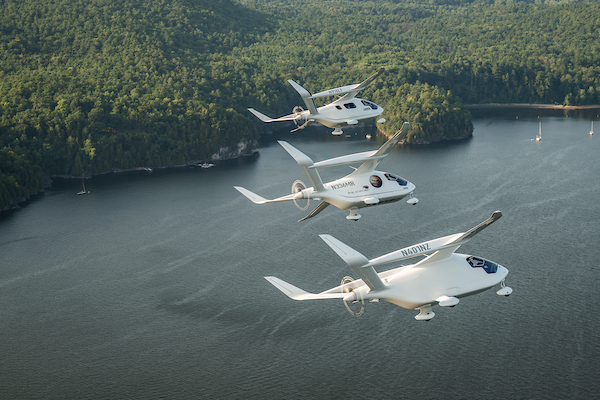
For all the optimism, there are still some real hurdles.
- Battery limitations: range and weight are still major constraints
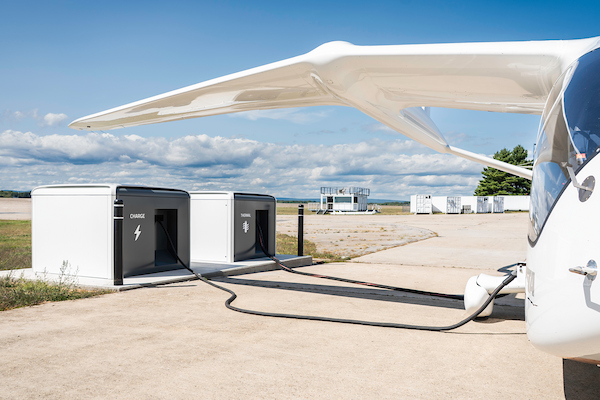
- Charging infrastructure across multiple islands
- Salt air and humidity (Hawai‘i is a tough environment for equipment)
- Certification timelines (FAA approval is no joke)
And this is key—none of these are theoretical problems. They’re active engineering and regulatory challenges happening right now.
Let’s Talk About Safety (Because Everyone Is Thinking It)
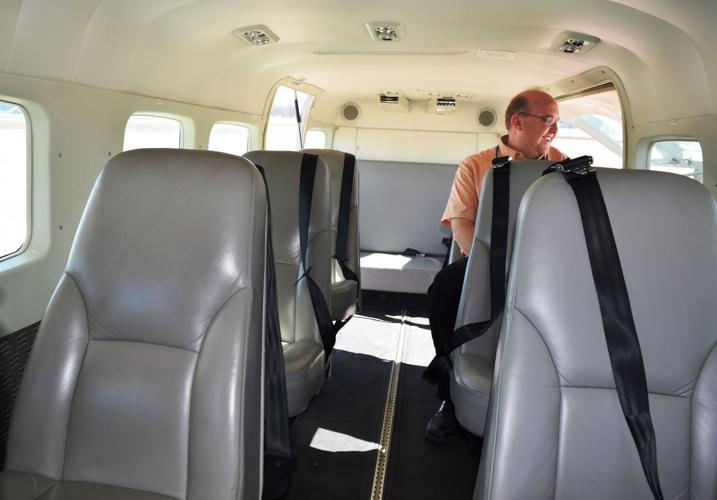
This is the question I hear most: are electric planes actually safe?
In some ways, they could be safer.
Electric motors are simpler and have fewer failure points than traditional engines. Modern designs also include redundancy systems that allow aircraft to keep operating even if something goes wrong.
But—and this is important—these aircraft aren’t widely deployed yet. That means we don’t have years of real-world operational data.
What we do have is an extremely rigorous certification process. Before anything carries passengers, it has to meet FAA standards that are among the strictest in the world.
So my take? Promising, but still proving itself.
Reliability: Will Flights Be Better or Worse?
There’s potential for real improvement here.
- Fewer mechanical issues could mean fewer delays
- More predictable performance on short routes
- Simplified maintenance cycles
But there are also new variables:
- Charging turnaround times between flights
- Battery degradation over time
- Dependence on new infrastructure
In a place like Hawai‘i, where flights are short and frequent, even small delays can ripple quickly.
A Real-World Example: Flying Mokulele Today

I’ve already taken a closer look at what inter-island flying looks like today, and if you want a full breakdown, you can read my review here of a flight from Honolulu to Lānaʻi.
What stands out is how perfectly these routes align with electric capabilities:
- Short flight times
- Smaller aircraft
- High-frequency service
It’s easy to see why Mokulele’s network is at the center of this transition.
Where Alaska Airlines Fits Into All of This
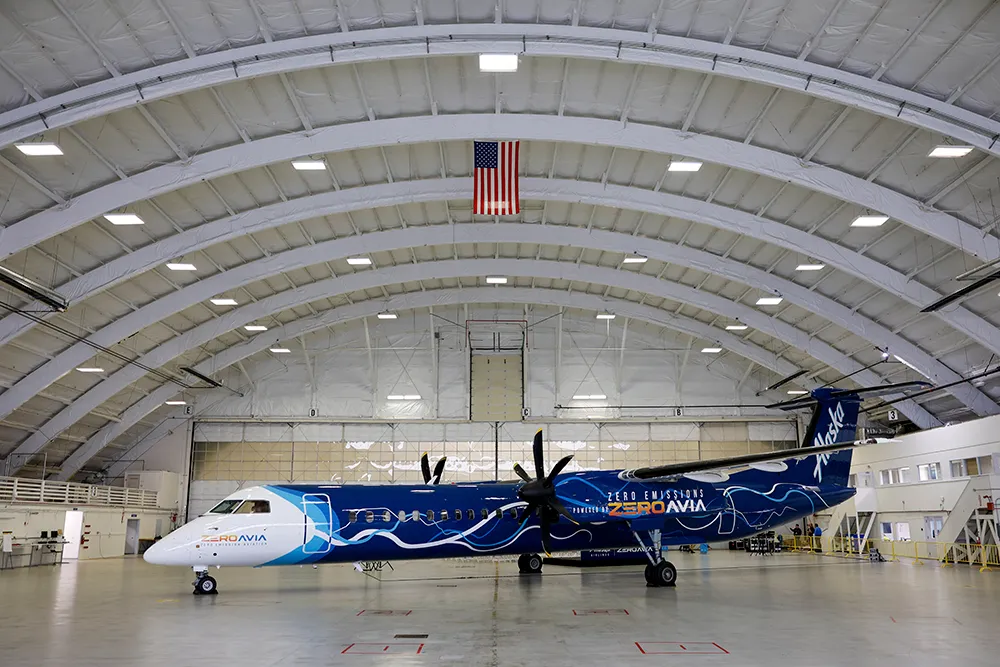
This is where things get even more interesting.
With Alaska Airlines acquiring Hawaiian Airlines, there’s now a bigger strategic question: what happens next for inter-island travel?
Alaska has already been exploring:
- Electric and hybrid aircraft concepts
- Partnerships with companies like ZeroAvia
- Long-term goals around zero-emission regional flights
Some of these projections were made around 2021, often pointing to a 10-year horizon. That puts us roughly halfway there.
So now I’m watching for a few possibilities:
- Will Alaska lean into Surf Air Mobility’s strategy in Hawai‘i?
- Will it pursue its own partnerships or technology stack?
- Could we see consolidation or competition in the electric inter-island space?
My take: it’s too early for a full pivot, but Hawai‘i could become a proving ground not just for Surf Air—but for Alaska’s future strategy as well.
Is the World Ready, or Just Hawai‘i?

Globally, there are other regions experimenting with electric aviation:
- Scandinavia
- Remote parts of Canada and Alaska
- Island nations
- The shot above has the Chicago skyline in the background.
But Hawai‘i stands out because of its combination of demand, geography, and infrastructure.
If electric aviation works here, it sends a strong signal to the rest of the world.
So, Is Hawai‘i Ready?
I think the answer is layered.
- From a route and demand perspective: absolutely
- From a technology standpoint: almost
- From an infrastructure standpoint: not quite yet
But we’re close—closer than most people realize.
And if everything lines up over the next few years, there’s a good chance Hawai‘i won’t just adopt electric aviation—it’ll help define it.