Planning a trip to Hawaii is exciting—but choosing the best time to visit can make a huge difference in your overall experience.
Living in Hawai‘i and experiencing the islands across different seasons, I can say that timing your trip makes a huge difference—from weather and crowds to pricing and overall experience..
The best time to visit Hawaii is during the shoulder seasons—April to June and September to November—when you’ll get the best combination of great weather, fewer crowds, and lower prices.
If you’re looking for the cheapest time to visit, aim for late spring or fall. If your priority is big waves or whale watching, winter (December to March) is ideal. And if you want the calmest ocean conditions for swimming and snorkeling, summer is your best bet.
The truth is, Hawaii is a year-round destination—it just depends on what kind of trip you want to have.
This guide breaks down everything you need to know—from weather and crowds to events and the best time for specific activities—so you can plan your trip with confidence.
Hawaii Travel at a Glance
- Best overall time: April–June, September–November
- Cheapest time: April–May, September–mid December
- Best weather: April, May, September, October
- Best for surfing: November–March
- Best for snorkeling: May–September
- Best for whale watching: December–April
Best Time to Visit Hawaii by Month
| Month | Weather | Crowds | Prices | Best For |
|---|---|---|---|---|
| Jan–Mar | Warm, wetter | High | High | Surfing, whales |
| Apr–Jun | Excellent | Low | Low | Best overall |
| Jul–Aug | Hot, dry | High | Medium | Families |
| Sep–Nov | Excellent | Low | Low | Best value |
| Dec | Warm, wetter | Very High | Very High | Holidays |
When is the Best Time to Visit Hawaii for Vacation?
One of the biggest reasons people choose Hawaii is the consistently warm, tropical weather you’ll find year-round—but the experience can vary quite a bit depending on when you visit.
In general, the best weather in Hawaii tends to fall during April, May, September, and October. These months offer a great balance of sunshine, lower humidity, and fewer rainy days compared to the winter season.
Winter (December through March) brings slightly cooler temperatures, more rainfall, and larger surf—especially along north-facing shores. This is also the best time for whale watching, but it comes with higher prices and larger crowds.
Summer (June through August) is warmer and drier overall, with calmer ocean conditions on many beaches. This makes it a great time for swimming, snorkeling, and family travel, though it’s also one of the busier times of year.
Temperatures remain fairly consistent throughout the year, typically ranging from the high 70s to upper 80s Fahrenheit (26°C to 31°C), depending on the season and elevation.
Ultimately, there isn’t a bad time to visit Hawaii—just different times that are better suited for different types of trips.
Next, let’s break down what each time of year is best for—from surfing and snorkeling to hiking and whale watching.
❄️ Winter: 26-28°C / 78-82°F☀️ Summer: 29-31°C / 84-88°F
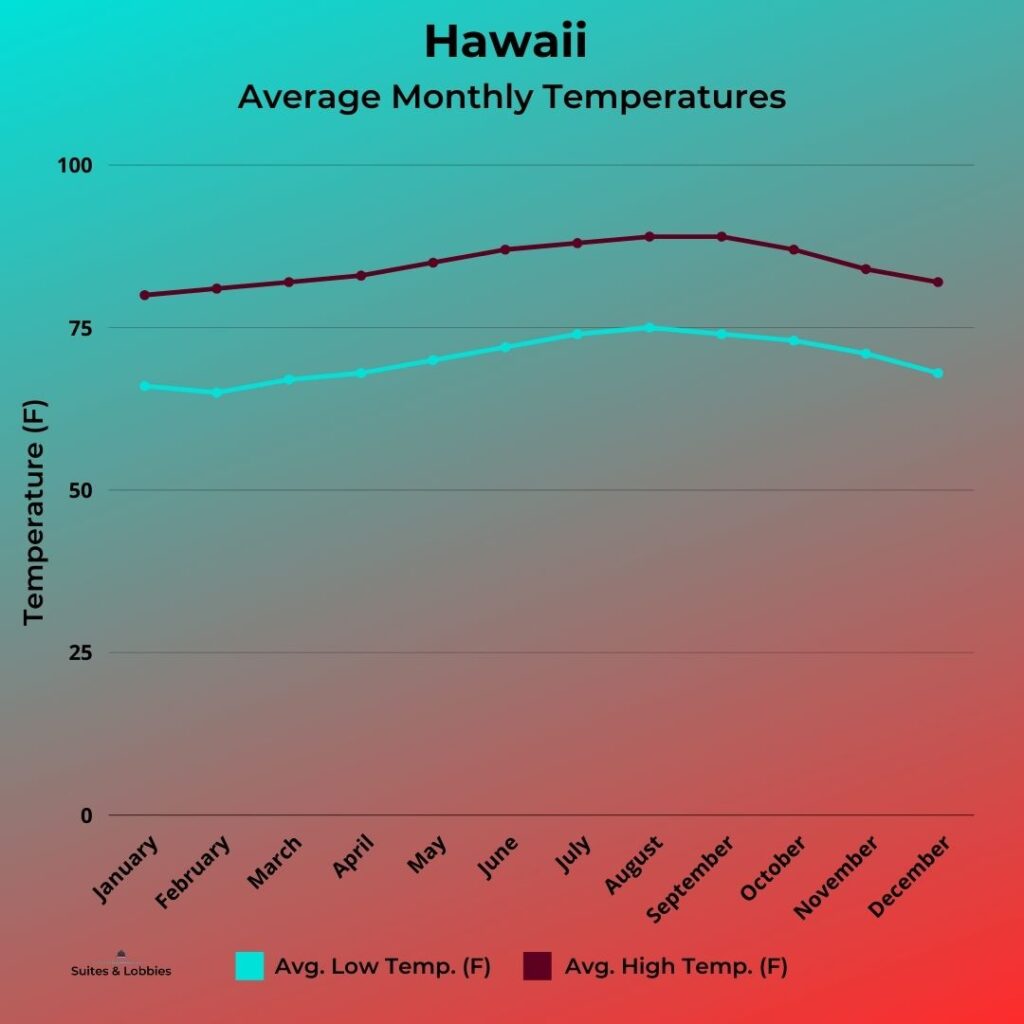
The weather tends to be consistently good in April and May, as well as in September and October. The best time to visit Hawaii is all year long depending on what you are looking to do during your trip.
Enjoy this fun quiz just for beginners or first-time visitors to Hawai’i that I created 🤙🏼🤙🏼
When to Purchase Airline Tickets
Timing your flight booking can make a noticeable difference in how much you spend on your trip to Hawaii.
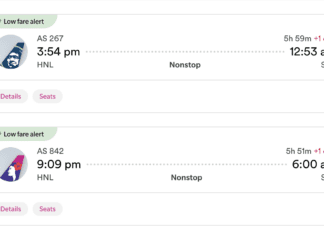
In general, I’ve found that booking flights around 2 to 4 months in advance gives you the best balance of price and availability. Prices tend to rise the closer you get to your travel dates, especially during peak seasons.
If you’re planning to visit during high-demand periods—like Thanksgiving, Christmas, or New Year’s—it’s best to book as early as possible, sometimes up to 5–6 months in advance.
For inter-island travel, Hawaiian Airlines and Southwest offer the most frequent routes and flexibility. If you’re planning to visit smaller islands like Moloka‘i, Mokulele Airlines is often your best option.
If your dates are flexible, try adjusting your departure by a day or two—this can sometimes lead to significant savings.

When to Make Hotel Reservations for Hawaii
Hawaii hotels can book up quickly—especially in popular areas like Waikiki, Maui’s west coast, and resort areas on the Big Island—so planning ahead makes a big difference.
For peak travel periods like summer (June–August) and the holiday season (late December to early January), I recommend booking your hotel at least 3–6 months in advance to secure the best rates and availability.
During the shoulder seasons (spring and fall), you’ll have more flexibility, but it’s still a good idea to book at least 1–3 months ahead for the best selection.
I’ve personally stayed at and reviewed over 20 hotels across Hawaii, from budget-friendly options to luxury resorts, and one thing I’ve consistently noticed is how quickly prices can increase—especially once availability starts to tighten.
If you’re trying to save money, consider traveling during the shoulder seasons and booking early. If you’re using points or rewards programs, planning even further in advance can help you maximize availability.
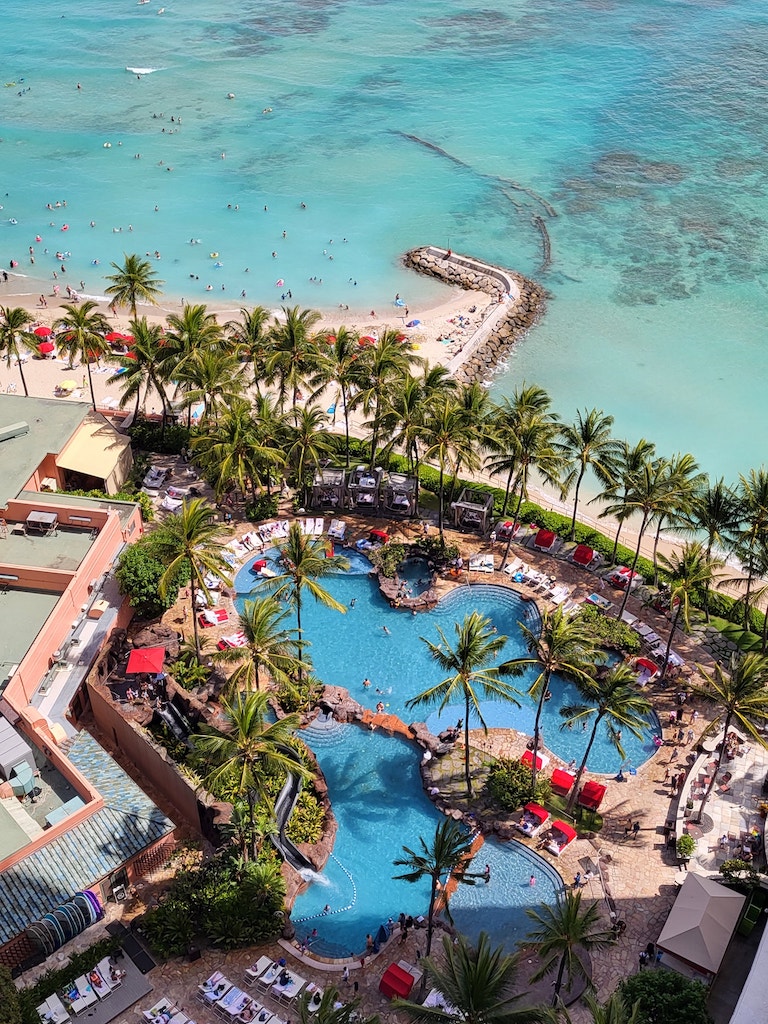
The Best Surfing Time in Hawaii
The best time for surfing in Hawaii depends on your experience level, but in general, the biggest and most consistent waves arrive during the winter months from November through March.
This is when Oahu’s North Shore becomes the center of the surfing world, drawing professional surfers and spectators alike. Massive swells hit famous breaks like Pipeline, Sunset Beach, and Waimea Bay, creating some of the most iconic surf conditions on the planet.
Events like the Haleiwa Pro, Sunset Pro, Vans Pipe Masters, and The Eddie Aikau Big Wave Invitational continue to define the surf calendar.
If you’re planning a trip around surf season, it’s worth checking event schedules closer to your travel dates, as competitions depend heavily on swell conditions.
For beginners, winter isn’t the best time to learn on the North Shore due to the size and power of the waves. Instead, head to the south shores—especially Waikiki—where conditions are much calmer and more beginner-friendly year-round.
During the summer months (May through September), the North Shore becomes significantly calmer, making it a better time for less experienced surfers to enjoy those same famous beaches.

When to Go Hiking in Hawaii
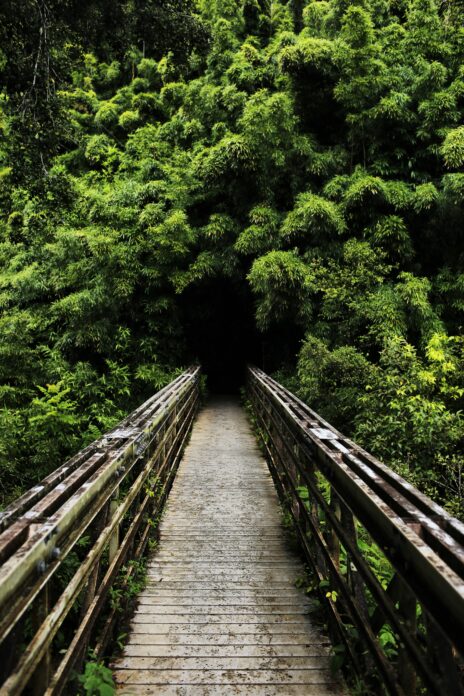
There are some amazing places to go hiking on the islands, particularly on Kauai. Although you can hike all year long, the summer months tend to be the most ideal time to explore, as the trails are drier, and the daylight hours are longer. It can get quite hot in the summer, so if you do go hiking, wear plenty of sunscreen and stay hydrated. You should start your hike in the early morning, as temperatures tend to be cooler.
One of the top 10 hiking trails in the United States is the Kalalau Trail on the island of Kaua’i. I had the opportunity to hike it during July and got some amazing photos along with some pretty cool video shots. If you are thinking about doing this hike be sure to also read my guide to hiking Kalalau as well.
When to Swim and Snorkel in Hawaii
The best time to visit Hawaii for swimming and snorkeling is all year long in Hawaii. Yet the ideal conditions for certain water sports happen between May and September when the waves are much smaller, the weather is hotter, and the skies are much sunnier. Maui and the Big Island are the best places to snorkel, as their diving areas aren’t as impacted by the East’s trade winds.
The least dependable place to go snorkeling in is Kauai, as it rains just about all year long there, minimizing water visibility. Check out this great article on the best beaches on O’ahu to snorkel at. Heading to Maui? Here are some great spots on Maui to snorkel at as well.

When to Go Whale Watching
Every year, whales come to Hawaii from Alaska, generally between December and April. You will usually see them between late February and early March, right after the birth of calves. You will spot whales from every island’s coast, but whales tend to congregate near neighboring islands Lanai and Molokai, as well as off the western shores of Maui.
If you want to get really involved you can learn more about NOAA’s Hawaiian Islands Humpback Whale National Marine Sanctuary and really give back to an amazing organization. Some details can be found here on the best time to go humpback whale watching on Maui.

When To Watch A Volcano
Kīlauea has been one of the world’s most active volcanoes for decades, with the current summit eruption beginning in late 2024 and continues on in 2026. When trying to decide when you should visit Hawaii Volcanoes National Park in order to see the volcano, you may want to base your decision on the weather.
Picking the best time to visit Hawaii to see an eruption will be something that will depend on mother nature. If this is high on your bucket list then monitor the local news and be prepared to travel when an eruption is happening. If you happen to be on the Big Island when the volcano is not erupting here are 49 things to do in Kona that will keep you busy.
Higher elevation temperatures are between 6°C (44°F) and 11°C (52°F) cooler than sea-level temperatures. Winter temperatures range between an average of 8°C (46°F) and 12°C (53°F). The summer months (from May to September) serve as the most opportune time to visit Kilauea because temperatures are more moderate.

When to Go Fishing in Hawaii
Like most water sports in Hawaii, you can fish year long, yet different types of fish bite at various times in the year, depending on which island you are visiting (with the exception of sharks, which are always present). For the most part, winter brings a lot of bigeye and skipjack tuna, snapper, and striped marlin. You might even spot a whale while out at sea.

When to Go Stargazing in Hawaii
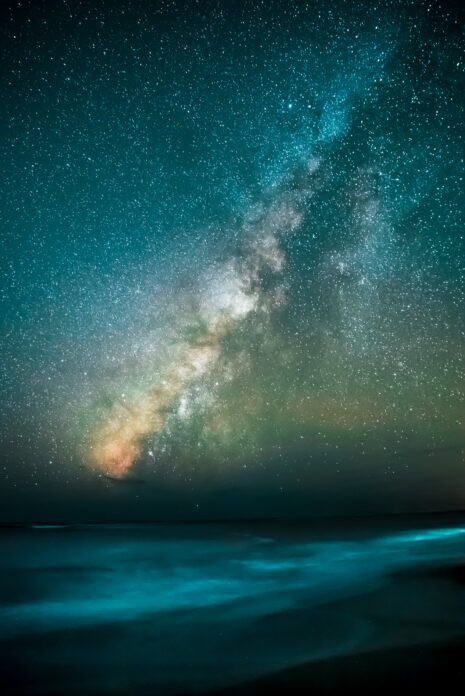
Did you know that the Mauna Kea Visitor Station provides daytime telescopes to view the sun and an array of telescopes for nighttime viewing? They even have a hot water station with hot chocolate for sale in the gift shop. You can drive directly to the visitor station and witness some of the clearest skies in Hawaii.
When to Take an Inter-Island Cruse.
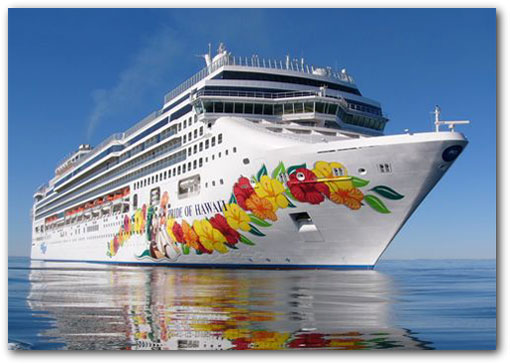
December to March will be the ideal time to see whales from a cruise ship, though this period is the costliest and rainiest time to come for a visit. The ideal time to take a cruise in Hawaii is between the start of Thanksgiving and the middle of December. A large number of boats are available in April, as well as from September to October.
When is the Best Time to Visit Each Island?
When You Should Visit Oahu

The best time to visit Oahu is in April (with the exception of the last week of the month). May and September are also ideal because these months bring the best weather. October is the best month to get a good rate and miss the larger crowds.
The Best Time to Vacation on Maui

April, May, September, and October are the best times to visit Maui. The daily highs in Maui range between 27°C (80°F) and 31°C (87°F) all year round. It is slightly cooler in the winter and a lot warmer in the summer. The island’s West Coast happens to be sunny, dry, and warm, for the most part, while the rainforest in eastern Maui is moderately cooler. Light rainfall happens overnight or later in the afternoon.
During this period, room rates are costliest, and the crowds TEND TO BE LARGER. THE Low season transpires between April to the middle of June, as well as from September to the middle of December. During this time, you can get better rates and see fewer crowds.
The Best Time to Vacation on Kauai
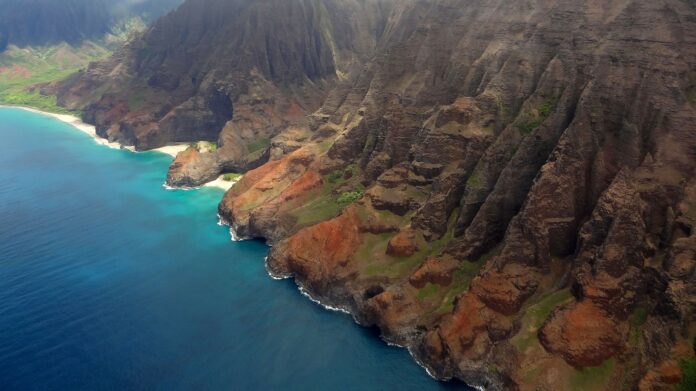
April, May, August, and September are the months when you should visit Kauai, as it has the lowest rates, smallest crowds, and ideal weather conditions. The rainiest island in the state of Hawaii is Kauai, but it has a very distinctive microclimate in comparison to other places in the island chain. It rains regularly in the eastern and northern coasts (Lihue to Princeville).
The island’s southern beaches close to Po’ipu are generally sunnier. The western portion surrounding Waimea Canyon happens to be mostly desert. The island’s central area, Mount Waialeale, receives heavy rainfall. The highest temperatures throughout the year vary between 27°C (80°F) and 29°C (84°F).
The hottest periods start in July and last all the way until October, while the coolest periods happen between December and March. Short rainfalls can happen year-round, though the period between the end of May and the end of September is usually the driest.
Ocean temperatures are warmest between early August and late October, and coldest between the middle of January and the middle of April. November to January is when the biggest waves are seen on the island’s North Shore.
Whale season and the high season runs from the middle of December through March; the low season starts in April and ends in early June. It happens again in September and carries on all the way to the beginning of December.
The Best Time to Take a Big Island Vacation

The best time to take a vacation on the Big Island is from April to May, and September to October. Visiting during these times will give you the perfect mix of cheaper rates, fewer crowds, and optimal weather.
The Big Island happens to be twice as large as all other islands combined, and has eight distinct climate zones. A majority of travelers will only be interested in a pair of areas: Volcano and Hilo in the eastern area (where the weather will be muggy, wet, and warm – Hilo happens to be America’s wettest city); and Kailua-Kona, which is in the West coast area.
Temperatures are moderately consistent throughout the entire year. In Kailua-Kona, highs vary between 27°C (80°F) and 31°C (87°F). In Volcano and Hilo, temperatures range between 26°C (78°F) and 28°C (82°F). In each region, it rains the most in March and April.
The driest months are between the middle of May and the end of July. Dry and rainy seasons happen at the exact same time, as luck would have it, for each region. Volcano and Hilo endure twice the amount of rain that Kailua-Kona experiences during the island’s wet season.
Temperatures in the ocean are just about identical in both regions – the period between August and October happens to be the warmest. The coolest times are February to March.
The best time to go surfing in the West and East shores is in the winter, keeping in mind that waves are a lot smaller on these shores than they are on other islands. The most optimal surfing time starts in December and lasts until February. Whale season coincides with the high season (especially in Hilo Bay and on the Kohala Coast) and starts in late December and lasts until March.
The island’s low season starts in April and ends in May. It returns in September and ends in the middle of December.
Travel Seasons In Hawaii
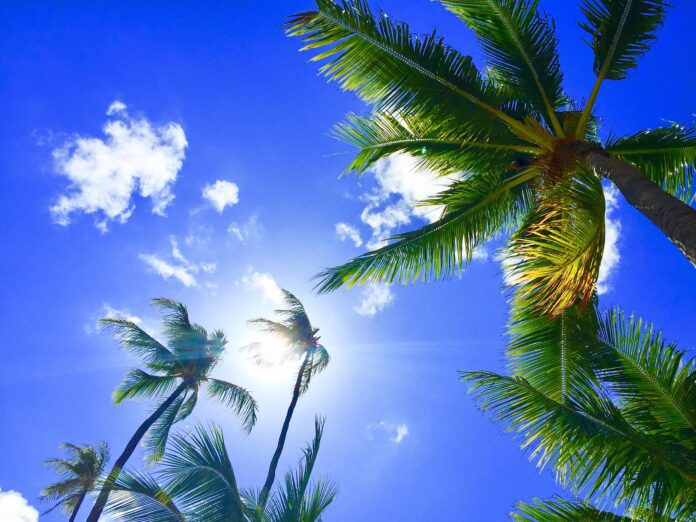
High season (December to March)
Hawaii starts its high season during the Christmas holidays. Hotels, cars, and flights are the most expensive during this time. Lengthier minimum stays are often required by hotels during this time as well. They will ask for higher deposits, and their cancellation policies will quite strict during the holiday season. Rental vehicles may sell out in advance, so you should book early and plan ahead if you are traveling during the peak season.
Low season (April to mid-June; September to mid-December)
Interestingly enough, fall and spring are Hawaii’s lowest travel seasons. April to the middle of June, and then again from September until the middle of December. There are two exceptions— the final week of April or Golden Week and the week of Thanksgiving. Beyond those two weeks, during the low season, you’ll find lower rates for cars, flights, and hotel bookings, and smaller crowds at attractions and beaches.
Summer (mid-June to August)
Family travel is always popular from the middle of June to the final week of August while schools are out for the summer. You’ll find lower prices during this time in comparison to the winter months. However, attractions and beaches will be much more crowded. You won’t find too many deals in the summertime – in August especially – and the ones that do pop up will happen sporadically.
The Weather in Hawaii Categorized by Month

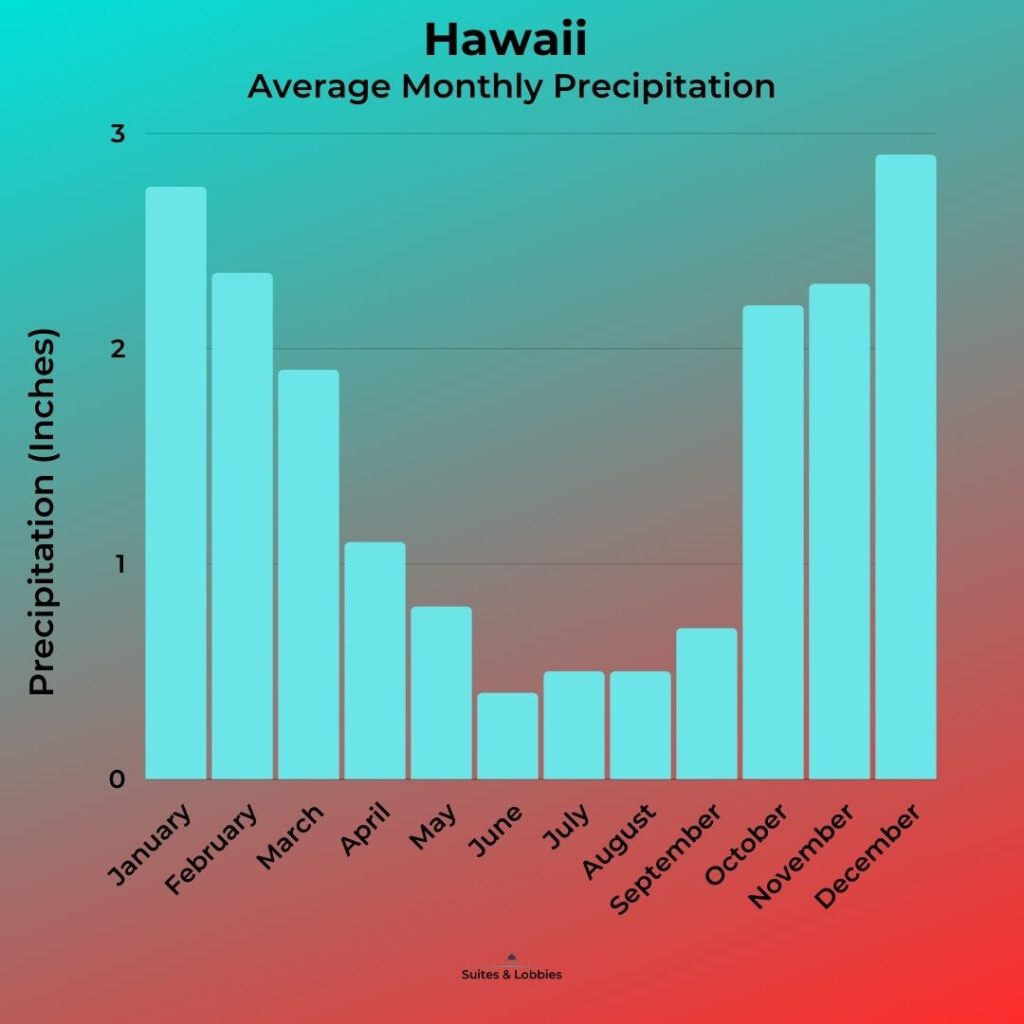
Most visitors are not surprised to find warm temperatures in Hawaii year-round. While you might get scattered showers at any time of the year, rainy days are a lot more common during the winter months, November to March. Big storms usually transpire between June and November, which is hurricane season. Light, brief showers happen on a regular basis just about everywhere.
Big Island’s Hilo side and Kauai are the wettest areas while the Kona coast on the Big Island and West Maui are the driest and hottest. Surf is rougher and bigger in the wintertime, particularly on the northern shores of the islands.
January weather
January happens to be one of Hawaii’s coldest months when temperatures can fall to 20°C (68°F) and average around 26°C (78°F). While rain can be sporadic during this time, rainfall averages about 78 mm (3 in) for the month. The North and West Shores of each island can see enormous waves at this time. With ocean water temps around 24°C (75°F) in Honolulu.
Evening breezes and cooler temps usually mean dressing in layers if you are visiting significantly high elevations, or in a light jacket when going out in the evening.
February weather
On average, February temperatures range between 20°C (68°F) and 26°C (78°F), though the rain is somewhat heavier during this time. Huge waves hit the western and northern shores. Clothes that dry quickly and light jackets are encouraged during this period, especially when heading out on a whale-watching excursion.
The average temperature is 26°C (78°F), the average rainfall is 90 mm (3.5 in), and the water temperature in Honolulu, on average, is 24°C (75°F).
March weather
The temperatures in March are a lot like they are in February, but with much less rain. The larger northern swells are not as monstrous as they are in peak winter periods. Waves in the West are slightly bigger in comparison to the ones more prevalent up north.
The average temperature is 26°C (78°F), the average rainfall is 88 mm (3.4 in), and the water temperature in Honolulu, on average, is 24°C (75°F).
April weather
Temperatures seem to hold steady between March and April, though there is a significant drop off in rainfall. Dressing in layers is still encouraged, but you can leave rain gear behind. In April, waves on every coast vary between flat and medium, size-wise, and the water begins to warm up. This is ideal for snorkeling.
The average temperature is 26°C (78°F), rainfall is 52 mm (2 in), on average, and the water temperature in Honolulu is around 25°C (77°F).
May weather
The month of May happens to be one of Hawaii’s driest and sunniest months of the year. Temperatures rise during this time and waves are still fairly small in many places, which is best for first-time surfers. Ocean temperatures are still quite warm. This period is a great time to come to Hawaii because of the terrific weather conditions.
The average temperature is 27°C (80°F), the rainfall averages 38 mm (1.5 in), and the water temperature in Honolulu, on average, is 25°C (77°F).
June weather
June weather tends to be beautiful, dry, and sunny. The surf picks up in June, mostly along the southern shores, although the waves along the northern shores entirely disappear. Ocean temperatures are quite comfortable at this time.
The average temperature is 28°C (82°F), the rainfall average is 43 mm (1.7 in), and the water temperature in Honolulu is 26°C (78°F), on average.
July weather
High temperatures remain steady in the month of July, although there is a bit more rain in comparison to June. Southern swells may reach their highest peak and bring in some significant waves. You are encouraged to wear a jacket if you are going to take a tour via helicopter or visit Haleakala Crater.
The average temperature is 28°C (82°F), the rainfall averages 57 mm (2.2 in), and the water temperature in Honolulu is 26°C (78°F), on average.
August weather
Usually the highest temperatures for the year are reached in August, while rainfall is significantly low. Surf on the northern shores remains flat, but on the southern shores, swells tend to be quite large. East and West waves also pick up significantly in size.
The average temperature is 29°C (84°F), the rainfall average is 34 mm (1.3 in), and the water temperature in Honolulu is 26°C (78°F), on average.
September weather: water temperatures are warmest in September in Hawaii, and waves are either medium or large on every shore. Air temperatures remain steady and hot. It rains heavily in September, but winter rainfall is heavier.
The average temperature is 29°C (84F), the rainfall average is 61 mm, and the water temperature in Honolulu is 27°C (80F), on average.
October weather: this is the final truly warm month in Hawaii, and the rain begins to come down harder during this time. Waves situated on the East and South start to subside, while the Western and Northern swells begin ramping up for the winter. An umbrella or rain jacket might be useful when you are visiting around this time.
The average temperature is 29°C (84F), the rainfall average is 80 mm, and the water temperature in Honolulu is 26°C (78F), on average.
November weather: this is Hawaii’s rainiest month by far, as it sees three times the amount of precipitation that May and August bring. You are encouraged to take an umbrella with you, and be prepared to spend some time indoors in the event that you experience a downpour. Air and water temperatures remain comfortable. Western and North waves are big, pleasing many surfers.
The average temperature is 27° (80F), the rainfall average is 124 mm, and the water temperature in Honolulu is 26°C (78F), on average.
December weather: air temperatures in December reach winter lows and hold steady for the next several months. Water temperatures remain comfortable, but aren’t as balmy. Waves from the South end up flattening out completely, while northern and western surf grows in size. You will start to see whales around this time.
The average temperature is 26° (78F), the rainfall average is 87 mm, and the weather temperature in Honolulu is 25°C (77F), on average.
Hawaii Festivals And Events
For many, the best time of year to visit Hawaii is dependent on some of the world class festivals and events. Visitors come from around the world every year to watch and participate in some of these unique attractions.

January
Oahu’s North Shore is in full swing during January, making it one of the best times of year to experience world-class surfing events.
One of the standout competitions is the Volcom Pipe Pro, held at the famous Banzai Pipeline. While earlier versions of the event were tied to older World Surf League pages, current coverage and updates are now typically hosted through Red Bull and other surf media platforms.
Another iconic event to be aware of is The Eddie Aikau Big Wave Invitational at Waimea Bay. Unlike standard competitions, “The Eddie” only runs when wave conditions reach a minimum size requirement, so it doesn’t happen every year. When it does, it becomes one of the most anticipated surf events in the world.
If you’re planning to catch a competition, it’s best to check schedules and conditions closer to your travel dates, as many North Shore events are dependent on swell and weather.
Chinese New Year (all islands, including Oahu): this event transpires between the middle of January and the middle of February. While it happens on every island, it is most prominent in the Chinatown area of Honolulu. You will see dragon and lion dancers, impressive fireworks, music, and kung fu demonstrations.
February
The Maui Whale Festival: the Pacific Whale Foundation raises awareness about protecting humpback whales at this event. It takes place throughout the month, the highlight of which is the Parade of Whales that takes place on World Whale Day.
Waimea Town Celebration (Big Island Hawai’i): there are eight individual activity days in this desert town close to the Western Canyon. Some of the events include an ice cream competition and a deconstructed triathlon.
Waimea Cherry Blossom Heritage Festival (Big Island): a celebration of Hawaiian and Japanese cultural heritage. It involves music, food, feather leis, Hula, origami, tea ceremonies, and more.
March
Kona Brewer’s Festival (Big Island): this event features chefs from as many as 29 different restaurants and 47 different breweries. A hula kicks off this festival before moving on to a home brewing competition, a fashion show involving trash, and live music.
Honolulu Festival (Oahu): this celebration takes place over the course of three days along the Pacific Rim and Hawaii. Waikiki’s Festival is an exploration of culture by way of dancing, art, and food, all of which culminates in a parade.
April
Waikiki SPAM JAM (Oahu): a SPAM celebration. SPAM is the only food cooked from a can in Hawaii. This remarkable street festival involves chefs from esteemed restaurants that have concocted new recipes to make SPAM with. You will’s see products, crafts, and art all centered around SPAM. The public is welcome to attend this event, though patrons should consider donating a SPAM can to the food bank in Hawaii.
Merrie Monarch Festival (Big Island): this festival transpires over the course of three days and involves a big hula competition, hula shows, an art fair, and a sizeable parade that goes through Hilo. Many events are open to everyone, but you may have to pay for several competitions. Admission is only granted through a mailed-in request.
East Maui Taro Festival (Maui): this festival happens in Hana town and celebrates the staple food of Hawaii. You can expect to see a pancake breakfast from Taro, poi pounding, a farmers market, and more.
May
Lantern Floating Ceremony (Oahu): every Memorial day, fallen soldiers are honored at sunset. You can expect 40,000 patrons to float their own paper lanterns, all of which carry messages and prayers into Ala Moana Beach’s coast.
Lei Day (all islands): celebrations happen all across the island on the first of May. You will be exposed to hula dancing, lei competitions, and live musical performances.
Kauai World Challenge Canoe Race (Hawaii): a rally race spanning 36 miles on outrigger canoes transpires along the Kaua’i coast. This race starts at Kapa’a Beach Park before finishing off at Salt Pond.
June
King Kamehameha Day (all islands): a public holiday in Hawaii that honors King Kamehameha the Great, a man that united every Hawaiian island. The event is celebrated all throughout Hawaii. Some common features include floral parades with pa’u riders, and women riding horseback donned in colorful attire. The largest festival transpires on Oahu.
Pan Pacific Festival (Oahu): a yearly event that celebrates Pacific Rim performance, cuisine, and art. More than 100 different performances transpire here, and the festival ends with a themed parade.
Maui Film Festival: this event transpires in the resort area of Wailea and involves panel discussions, film screenings, and fine food, all of which take place on a beach under mesmerizing stars.
July
Koloa Plantation Days (Kauai): historic Koloa is celebrated at this event, which is Hawaii’s first-ever sugar plantation. The environment and community cultures are also celebrated here. Events come in the form of a parade, food, music, dancing, and even a rodeo.
Joy of Sake (Oahu): the biggest sake-tasting festival in Honolulu happens on the outskirts of Japan. The best restaurants in Honolulu serve more than 300 different types of sakes to taste.
Prince Lot Hula Festival (Oahu): a yearly tradition that has been going on for the last four decades. It is the biggest non-competitive event of Hula and showcases dances from a number of esteemed Hula groups.
August
Hawaiian Cultural Festival/Ho’oku’ikahi Establishment Day (Big Island): a celebration of ancient culture from Hawaii. This event is open to the public, however, visitors are encouraged to learn about one craft (at the very least) before maintaining the culture. Patrons are encouraged to choose from various crafts, including lei making and feather standards. Activities include canoe rides, Ho’okupu ceremonies, and food tasting.
Hawaiian International Billfish Tournament (Big Island): this fishing competition takes place in Kona and is a five-day event. Patrons are welcome to attend the afternoon fish weigh-ins, and can even get their photo taken with the annual “Miss Billfish.”
September
Aloha Festivals (Oahu, every island): a celebration that takes place statewide. Each island has an Aloha Week of their own, with Oahu having the largest one. More than 100,000 patrons are attracted to this extravagant festival. Events that take place here include a floral parade, a royal court re-enactment, and a Waikiki block party – the biggest one held in Hawaii.
Kauai Mokihana Festival (Kauai): this cultural event in Hawaii goes on for a full week. It involves craft fairs, lectures, a hula contest, and musical competition.
Okinawan Festival (Oahu): this event celebrates everything Okinawan, and features lion dancers, food, taiko drumming, dancing, and karate demonstrations.
October
Coconut Festival (Kauai): coconut fruit is celebrated on the Coconut Coast of Kauai. It features a pie-eating contest, coconut cook-offs, and cooking demonstrations.
Hawaii Food and Wine Festival (Big Island, Maui, Oahu): these events transpire over the course of several days on a few different islands. Highlights include cocktail scandal history lessons, children’s cooking classes, ramen showdowns, tastings of rare wines, and urban luaus. Tickets for every event are separately sold.
Ironman Competition (Big Island): The biggest triathlon in the world. People can only compete if they qualify first.
November
Kona Coffee Cultural Festival (Big Island): Kona region’s arts, culture, history, and coffee are celebrated at this event. Events transpire over the course of an eleven-day span. They happen at miscellaneous spots along the coast and the Kona Mountains. Activities include seminars about coffee science, coffee history and farm tours, gallery installations, and coffee cupping competitions.
December
One of the most popular events is Honolulu City Lights, held in downtown Honolulu throughout the month. This annual celebration features large holiday displays, a decorated Christmas tree, festive light installations, and a community-focused opening night celebration with live entertainment.
Festival of Lights (Kauai): you can visit during the event’s opening ceremony. You can also come for the entire event in December if you want to see Kauai’s County Building adorned in lights. All decorations were created by community members that are no longer alive. Ornaments were made from scraps, including bottle caps, soda cans, and toothpicks.
Let us know about your favorite Hawaii visit and what time of year it was. Do you know of a special time for festivals or the best hotels deals? Share your secrets below!
What is the best time of year to visit Hawaii?
The best time to visit Hawaii is during the spring (April to June) and fall (September to November) when the weather is pleasant, and the crowds are fewer.
What is the peak tourist season in Hawaii?
The peak tourist season in Hawaii is during the winter months from December to March when the weather is cooler and drier.
Are there any months I should avoid visiting Hawaii?
It’s best to avoid the summer months from June to August when the weather is hot and humid, and the islands are crowded with tourists.
What are some events or festivals I can attend in Hawaii?
Some popular events and festivals in Hawaii include the Merrie Monarch Festival in April, the Aloha Festivals in September, and the Hawaii Food u0026amp; Wine Festival in October.
What are the average temperatures in Hawaii throughout the year?
The average temperatures in Hawaii range from 78°F to 88°F year-round, with the cooler months being from December to March and the warmer months from June to August.
What should I pack for a trip to Hawaii?
Pack light and comfortable clothing, sunscreen, a hat, sunglasses, and a swimsuit. Don’t forget to bring a light jacket or sweater for cooler evenings. Here is a good list of what to pack for Hawai’i.