Airline fees have been creeping up across the industry, but recently things have started to accelerate—and not in a good way for travelers.
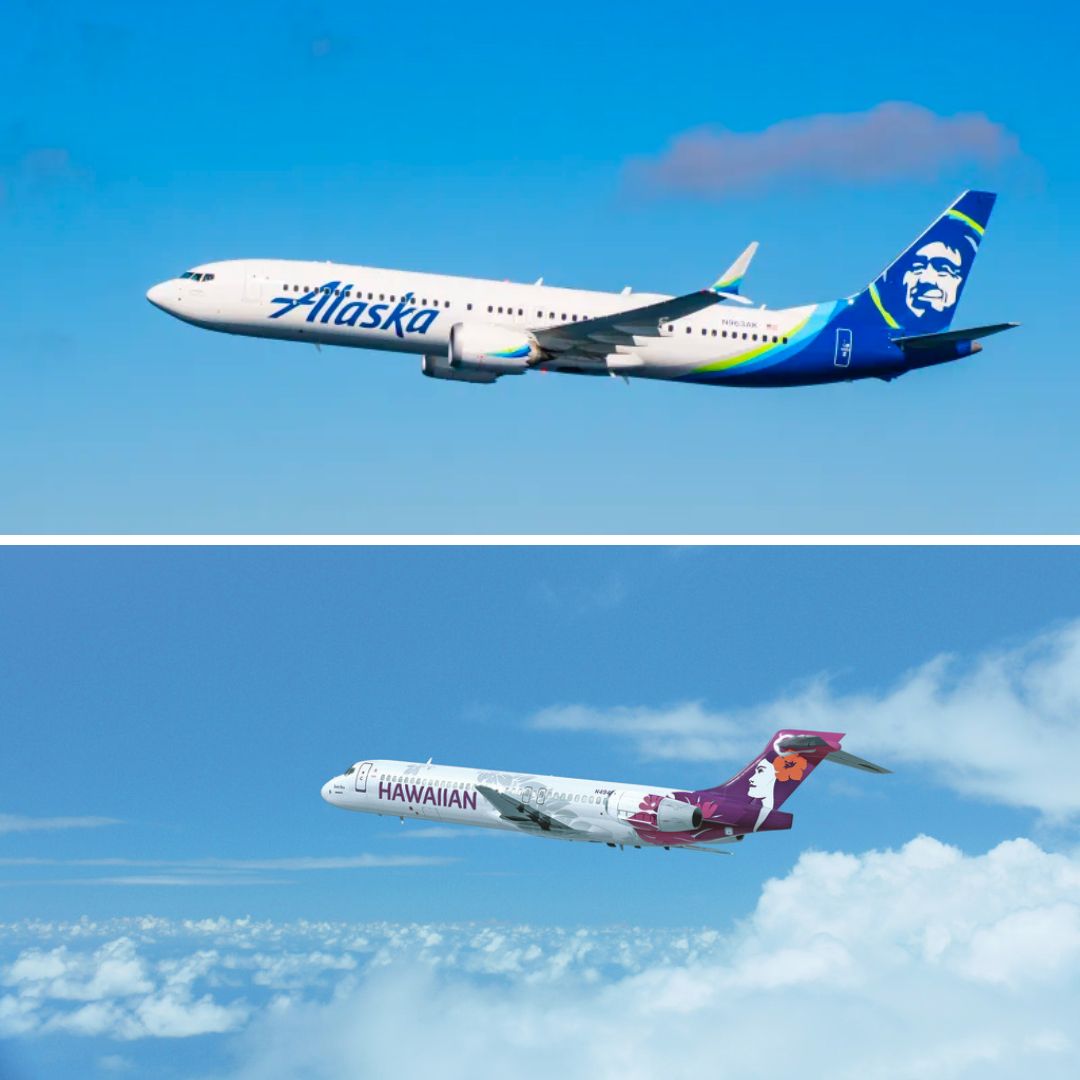
Alaska Airlines has announced a checked baggage fee increase that now also applies to Hawaiian Airlines, following their purchase. This move brings both airlines more in line with the rest of the industry, where higher bag fees and stricter policies are quickly becoming the norm.
If you’re planning a trip—especially to Hawaii—this is something you’ll want to factor into your budget.
What Changed With Alaska and Hawaiian Bag Fees
As part of ongoing changes across the airline industry, Alaska Airlines has increased checked baggage fees for North American flights—and those updates now extend to Hawaiian Airlines as well.
The airline cited rising operational costs, including fuel and baggage handling, as key reasons for the adjustment.
For tickets purchased on or after April 10, the updated baggage fees are:
- First checked bag: $45
- Second checked bag: $55
- Third and additional bags: $200
Here’s a quick breakdown:
| Bag Type | New Fee |
|---|---|
| 1st Checked Bag | $45 |
| 2nd Checked Bag | $55 |
| 3rd + Additional Bags | $200 |
A couple important details:
- These changes apply to new tickets purchased on or after April 10
- Previously purchased tickets will still follow the old baggage pricing
- The pre-paid baggage discount has been eliminated
- Carry-on allowances remain unchanged
- Elite status members and eligible partner travelers still receive complimentary checked bags
This move brings both Alaska and Hawaiian more in line with the rest of the industry, where baggage fees have been steadily increasing.
Will These Fee Increases Reach Inter-Island Flights?
One question that naturally comes up—especially for travelers planning multi-island trips—is whether these higher baggage fees could eventually extend to inter-island flights.
Right now, the recent fee increases specifically apply to North American routes, and there hasn’t been any official announcement about changes to inter-island baggage pricing.
That said, it’s not unreasonable to wonder if that could change.
As airlines continue to deal with rising operational costs and look for new revenue streams, baggage fees have become one of the easiest areas to adjust. We’ve already seen this trend play out across major carriers, and it’s now reaching routes tied to Hawaii travel.
Inter-island flights have traditionally been treated a bit differently, often with more lenient pricing structures. But as Alaska and Hawaiian continue to align their operations, it’s something worth keeping an eye on.
For now, nothing has been announced—but if you’re planning to hop between islands, it’s a good idea to double-check baggage policies before booking.
Because if there’s one trend that’s clear right now, it’s that airline fees are moving in one direction—and it’s not down.
This Isn’t Just Alaska and Hawaiian
This isn’t an isolated change—it’s part of a much larger shift happening across the airline industry.
Several major U.S. carriers have either raised baggage fees or tightened policies recently, including:
- United Airlines
- Delta Air Lines
- Southwest Airlines
At the same time, airlines are enforcing carry-on restrictions more strictly and continuing to unbundle fares.
The result? Lower base ticket prices often come with higher add-on costs once you include baggage, seat selection, and other extras.
What This Means for Travelers
Bag fees might not seem like a big deal at first—but they add up quickly.
For a couple traveling together, each checking one bag round-trip:
- You could easily be looking at $150–$200+ in additional costs
Now scale that to a family of five, each checking one bag:
- That can quickly jump to $400–$600+ in baggage fees alone
And that’s before factoring in things like seat upgrades or other add-ons.
This is why it’s more important than ever to look at the total cost of your trip, not just the ticket price.
Credit Cards Can Offset These Costs
One thing I’ve found especially valuable over the years is how many airline credit cards include free checked bags as a built-in perk.
Depending on the card, you can often get:
- First checked bag free for you
- Sometimes for additional travelers on the same reservation
- Priority boarding (which helps with carry-on space)
For frequent travelers, this benefit alone can easily offset a large portion of the annual fee—especially if you’re checking bags on multiple trips per year.
If you travel to Hawaii regularly, this is one of those perks that can make a noticeable difference over time.
How to Avoid or Reduce Bag Fees
Here’s what I typically recommend based on my own trips:
- Travel with a carry-on when possible
- Use airline credit cards that include free checked bags
- Take advantage of elite status perks if you have them
- Compare total trip cost—not just ticket price
If you’re heading to Hawaii, packing lighter can go a long way—not just for cost savings, but also for convenience once you’re on the island.
Final Thoughts
Airline pricing is changing quickly, and baggage fees are becoming a bigger part of the overall cost of travel.
The fact that Alaska and Hawaiian are now aligned on higher bag fees is just another sign that this trend is spreading across the industry.
If you’re planning a trip, it’s worth factoring these costs in early so there are no surprises later.
Because more and more, the cheapest ticket isn’t actually the cheapest once everything is added in.