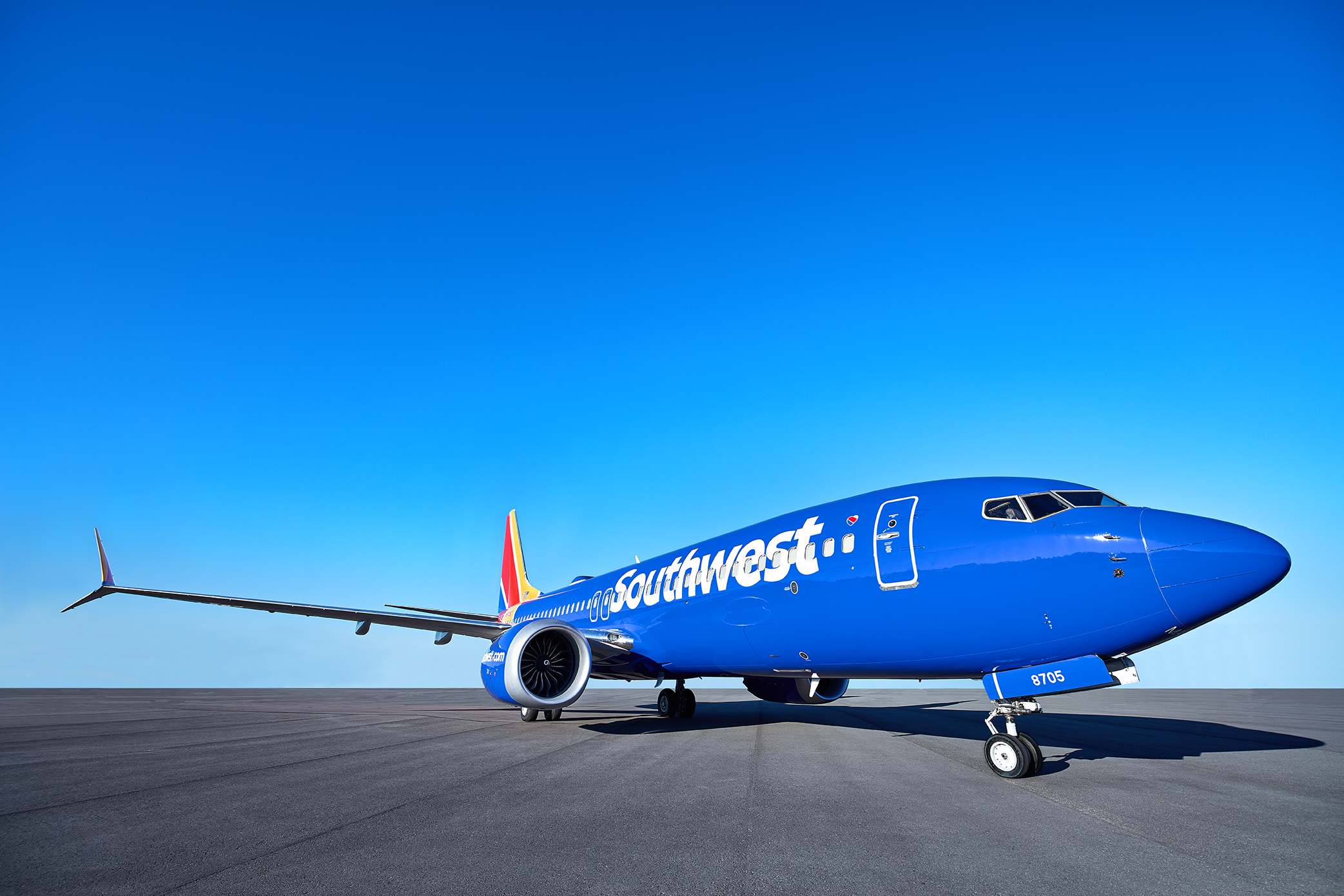
Back in late 2025, plans were uncovered by Enilria suggesting Southwest Airlines was preparing to build its first airport lounge in Hawai‘i at Honolulu’s Daniel K. Inouye International Airport.
At the time, it raised more questions than answers.
Now, with a closer look at the site and updated information, that initial finding is beginning to come into focus—and it could signal a much larger shift in how airlines are investing in Hawai‘i.
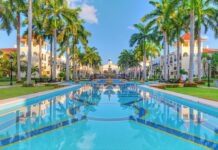
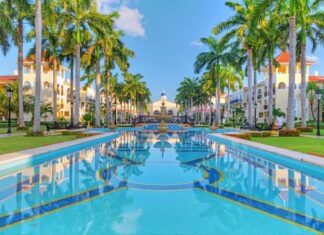
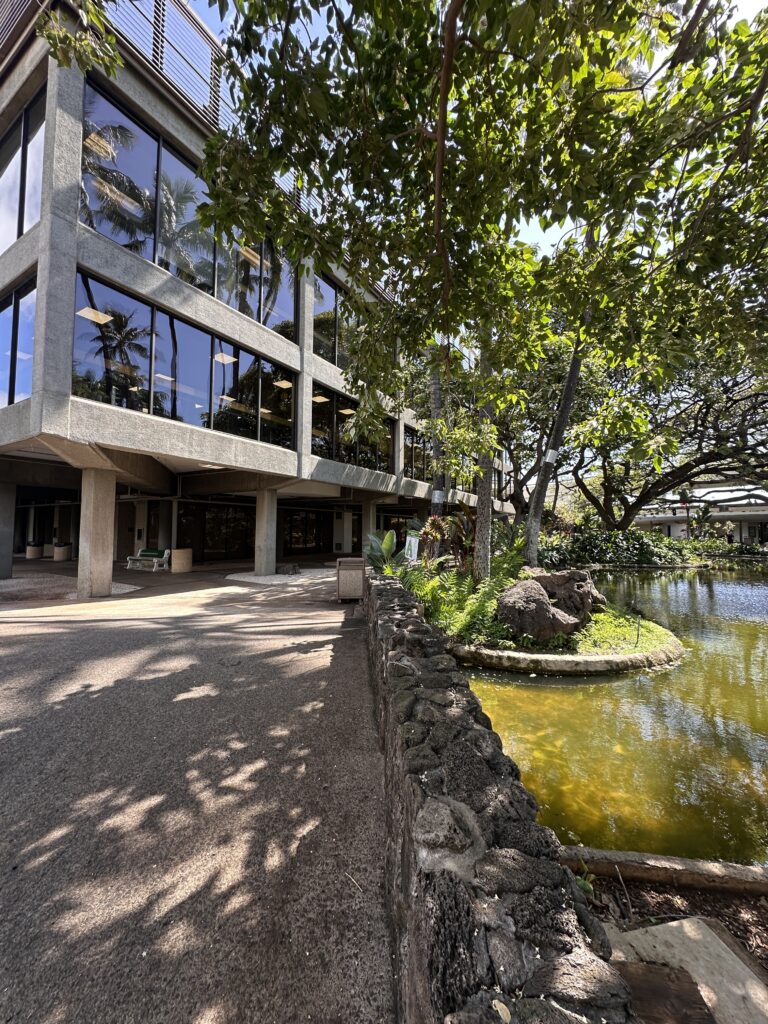
After visiting the site myself, what stands out isn’t just the announcement—but the location itself. The space sits in a rare pocket of the airport, surrounded by open-air gardens on multiple sides. It already feels different from the enclosed, standardized lounge environments most travelers are used to.
But beyond design, the bigger question is why now, and what this signals for the future of air travel to and from Hawai‘i.
A Rare Space at HNL With Real Design Potential
What immediately differentiates this project is its physical setting.
The planned lounge is positioned on the ground level of Terminal 2, bordered by garden areas that create a sense of openness rarely found in modern airports. During my visit, I noticed how the existing landscaping and water features naturally soften the surrounding infrastructure, offering a quieter, more reflective environment.
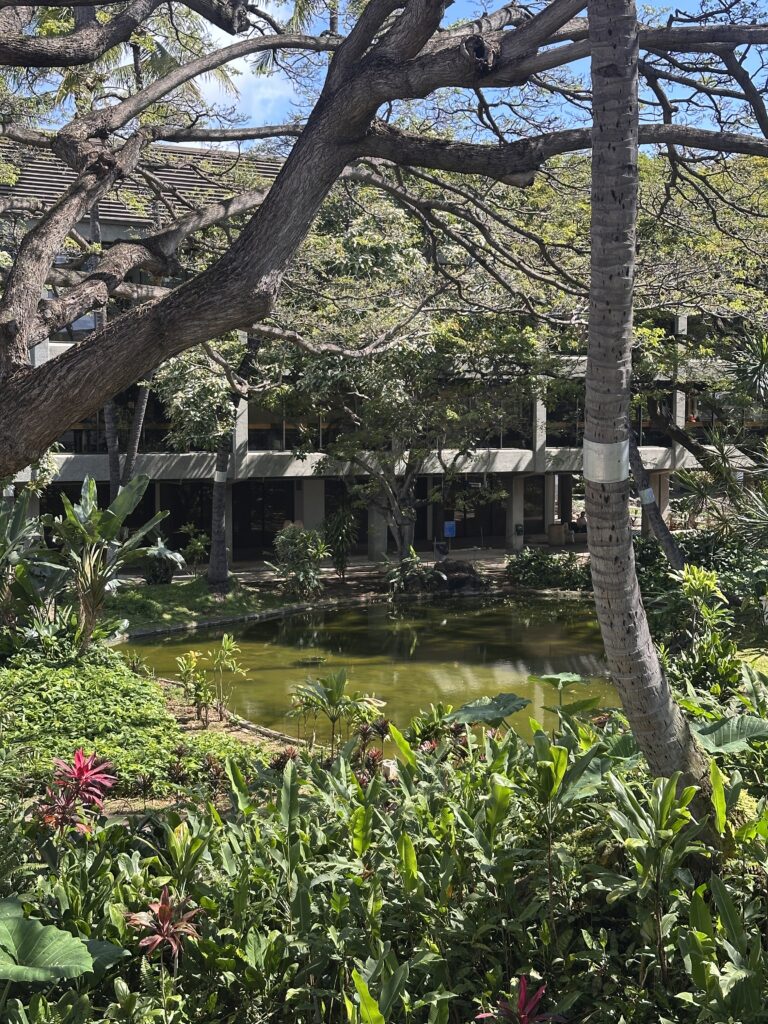
The structure itself is somewhat dated, but that may actually work in its favor. Instead of forcing a sleek, generic buildout, there’s an opportunity to lean into a design language that feels more connected to place.
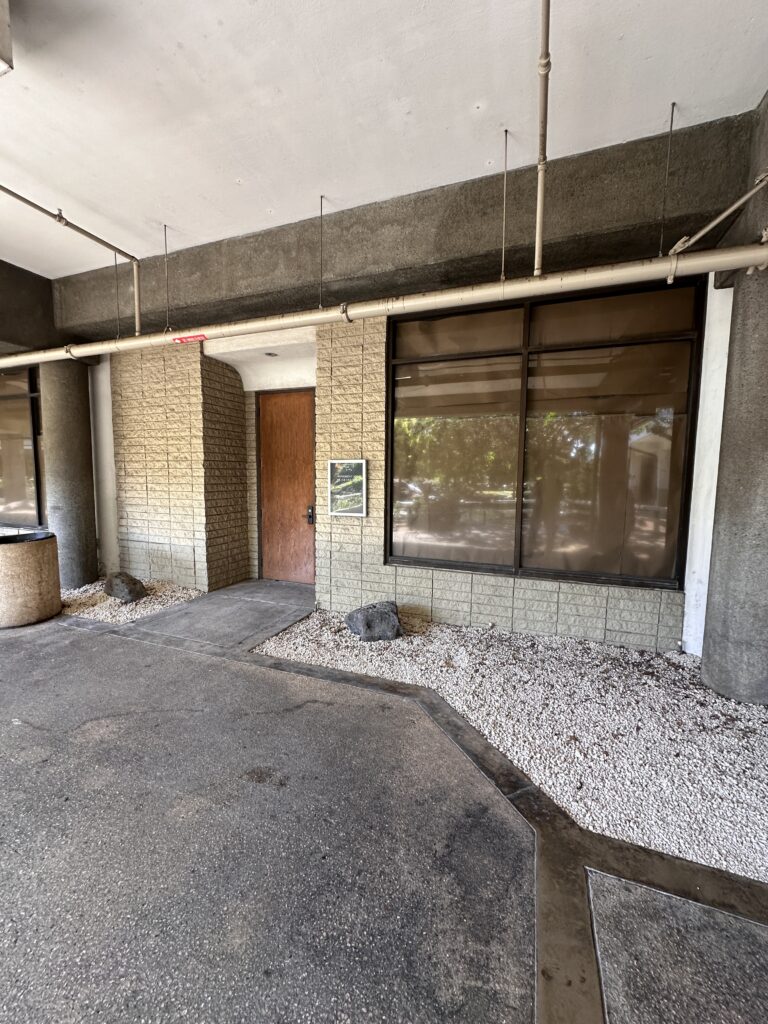
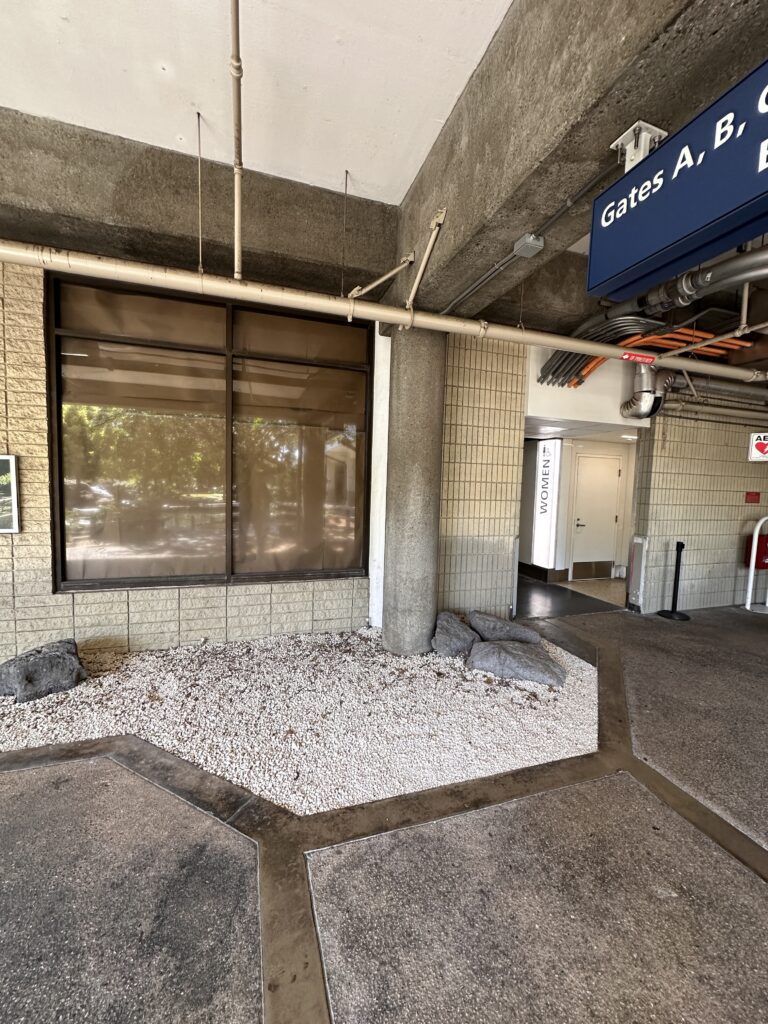
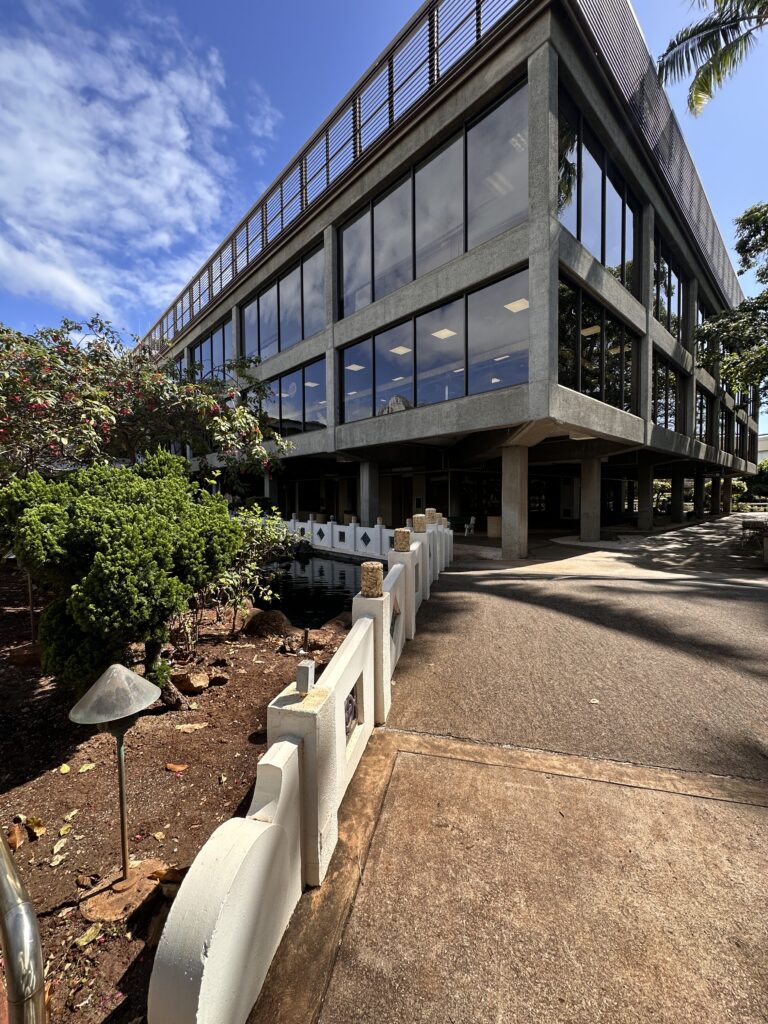
If executed thoughtfully, this could become one of the more distinctive airport lounges in the U.S.—not because of luxury finishes, but because it acknowledges where it is.
A Growing Lounge Competition in Honolulu
This development doesn’t exist in isolation.
Southwest is expanding into a space long anchored by Hawaiian Airlines, now owned by Alaska Airlines. At the same time, that combined network is planning its own premium lounge expansion. This guide to Hawaiian Airlines lounges shows us that it values the experience it just needs to get on par with some of the Alaska lounges.
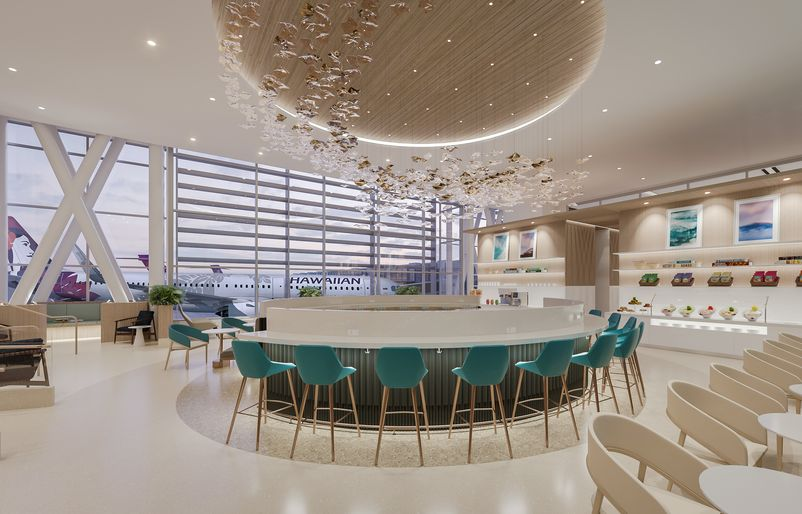
That project leans heavily into elevated design, cultural storytelling, and a more traditional premium experience.
What’s emerging now is something Honolulu hasn’t really seen before at this scale: direct lounge competition between airlines.
For travelers, that could mean more choice. For Hawai‘i, it signals that the market is no longer being treated as secondary when it comes to premium infrastructure.
A First for Southwest—and a Notable Strategic Shift
For decades, Southwest Airlines has built its brand around simplicity: no premium cabins, no global alliances, and notably, no airport lounges.
That absence has been part of its identity.
So this move into the lounge space marks a clear departure.
Based on early reporting from The Points Guy and others, along with planning documents filed with the Hawai‘i Department of Transportation, Southwest is moving forward with a dedicated lounge footprint at HNL. This suggests a step toward the premium travel segment—something the airline has historically avoided.
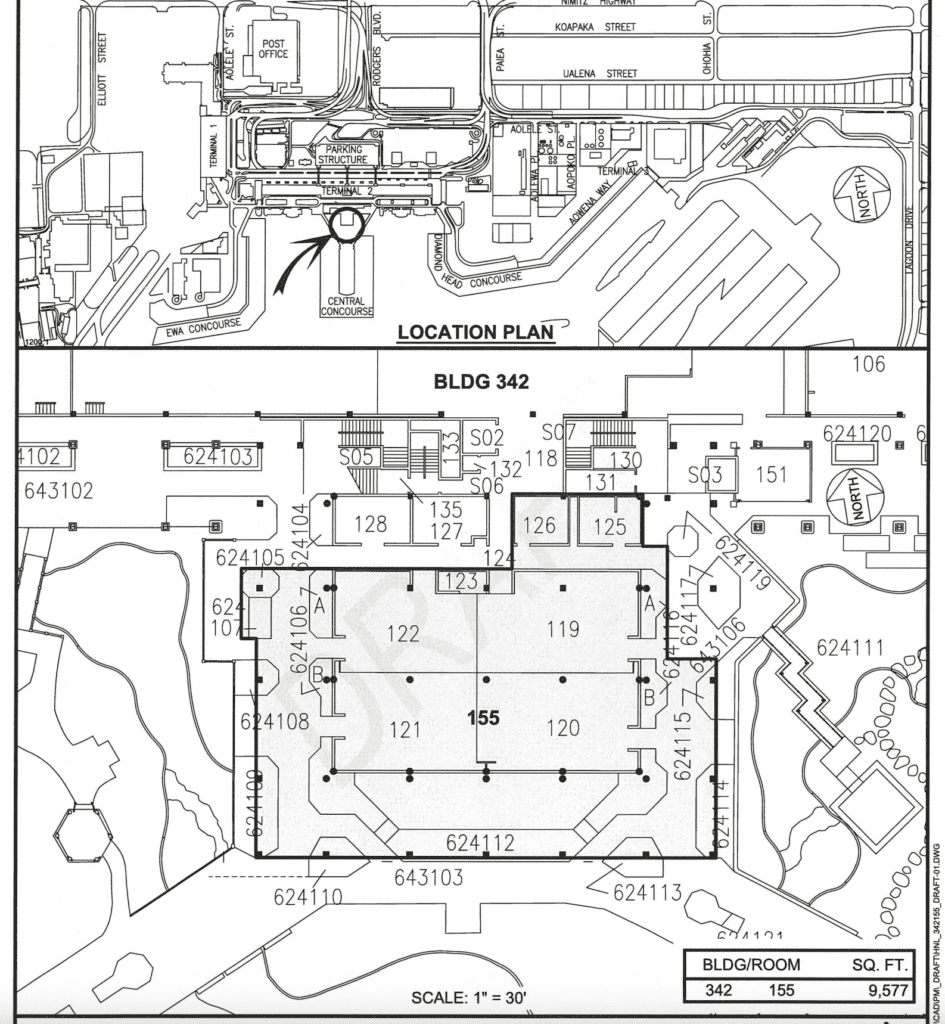
From what I’ve reviewed, this is not a minor addition. The footprint appears substantial, signaling long-term intent rather than a short-term test.
Does Southwest Actually Need a Lounge in Hawai‘i?
This is where the strategy becomes less clear.
Southwest’s current Hawai‘i network is steady, but it doesn’t immediately suggest the kind of premium demand that typically justifies a large lounge investment. That raises important questions about what’s driving this decision.
Is Southwest planning a significant expansion of its Hawai‘i routes? Is this a key component astheir model evolves to attract higher-spend travelers? Or is this about positioning for something broader?
From my perspective, the numbers alone don’t fully explain the move—at least not yet.
Could This Become More Than a Southwest Lounge?
Looking at broader industry trends, there are a few possible directions this project could take.
One possibility is that Southwest is opening the door to future partnerships. While the airline has historically operated independently, the global trend is moving toward shared lounge access and alliances.
Another possibility is a co-branded or credit card-backed lounge. Major players like Capital One, American Express, and Chase have been rapidly expanding their airport lounge networks across the mainland U.S., yet Honolulu still lacks a dedicated presence from any of them.
There is of course the demand for premium credit cards to deliver premium services, if Southwest wants to play….
That raises a fair question: could this space eventually support a financial partner or hybrid model?
There’s also precedent in Hawai‘i for flexible lounge use. Spaces like the Honolulu Admirals Club have partnered with Japan Airlines Sakura Lounge., A similar multi-use approach here would be surprising but not out of the question.
What to Watch Next
This project is still in its early stages, but several key factors will determine its impact.
The final design will matter—especially how well it integrates the surrounding gardens rather than isolating them. Access policies will also be critical, particularly in determining whether this remains a traditional airline lounge or evolves into something broader.
Equally important will be whether partnerships are announced, and how this space ultimately compares to the Alaska-Hawaiian lounge once both are complete.
From what I’ve seen so far, this project raises more questions than answers—but that’s exactly why it’s worth watching.