
If you’ve flown recently, you probably know this feeling: you open your app at the airport and you see your confirmation in the Alaska app… but in smaller text it says “operated by Hawaiian.” The Alaska logo is front and center, but now you’re wondering—am I checking in at Terminal 2 with Alaska, or Terminal 1 with Hawaiian? Is this an Alaska flight on a Hawaiian aircraft? Or a Hawaiian flight booked through Alaska? And if it’s showing in the Alaska app, can I just go to Alaska check-in… or am I about to get sent across the airport?
It sounds ridiculous when you spell it out—but this is exactly the kind of confusion travelers in Hawai‘i have been dealing with.
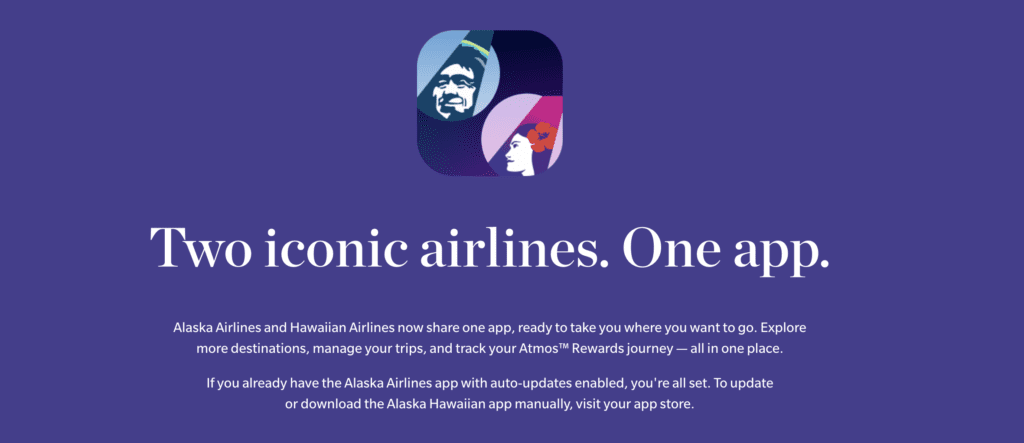
Alaska Airlines and Hawaiian Airlines say they’re about to simplify everything into one unified mobile app.
I’ve been following this transition and if you’ve flown in or out of Hawai‘i recently, you already know the reality: it hasn’t been smooth. Airline executives have publicly acknowledged the recent issues and promised improvements—this update appears to be the first step toward delivering on those commitments.
Between the legacy Hawaiian app, Alaska’s platform, and the rollout of the new Atmos rewards system, travelers have been left asking a basic question far too often:
Which app am I supposed to use right now?
Why isn’t my trip showing up?
Why do I have two confirmation codes for one journey?
Am I flying on Hawaiian Metal or Alaska Metal?
Now, with a full system integration set for April 22, the airlines are promising a reset. While we patiently wait, here is what is coming.
The Timeline Travelers Need to Know
Here’s where things stand right now—and what to expect over the next few weeks:
- March 30 – The Alaska Airlines app begins updating into the new combined Alaska–Hawaiian app (limited functionality at first)
- April 21 – Last day the standalone Hawaiian Airlines app will be used
- April 22 – Full integration goes live with a single passenger service system (PSS) and one app for all travel
After April 22, travelers flying either airline—or connecting between them—will be expected to use the new unified app exclusively.
Why This Change Actually Matters
On paper, this sounds like a standard tech upgrade. In reality, it’s something much bigger.
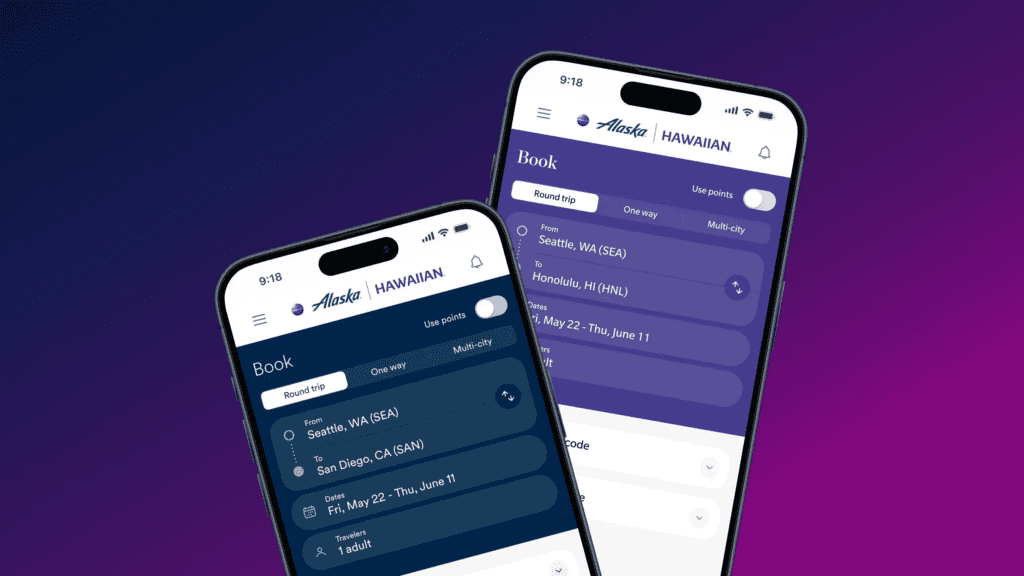
What’s happening behind the scenes is the complete transition away from Hawaiian Airlines’ legacy system (Amadeus) into Alaska’s infrastructure. That means:
One reservation system
One confirmation code per trip
One app to manage everything
If it works as intended, it should eliminate one of the most frustrating parts of the current experience—fragmentation.
And that fragmentation has been very real.
A Frustrating Few Years for Travelers
Let’s be honest: the digital experience hasn’t kept up with expectations. I mean, my guide to Hawaiian Airlines Lounges can barely keep up!
I’ve heard it constantly—and experienced it myself:
Trips booked on one platform not appearing in another
Seat selections not syncing
Confusion between HawaiianMiles, Alaska Mileage Plan, and now Atmos
Last-minute scrambling at the airport because the “wrong app” was used
For a place like Hawai‘i, where air travel isn’t optional—it’s essential—those issues hit differently. Residents, families, and frequent interisland travelers rely on these systems working seamlessly. When they don’t, it’s more than an inconvenience.
What the New App Promises
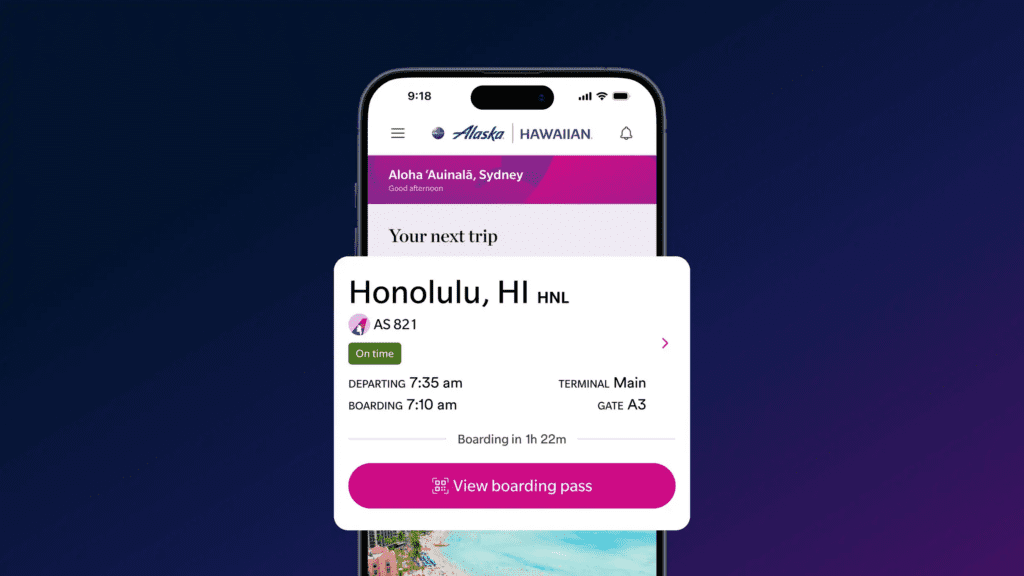
The new Alaska–Hawaiian app is designed to bring everything into one place:
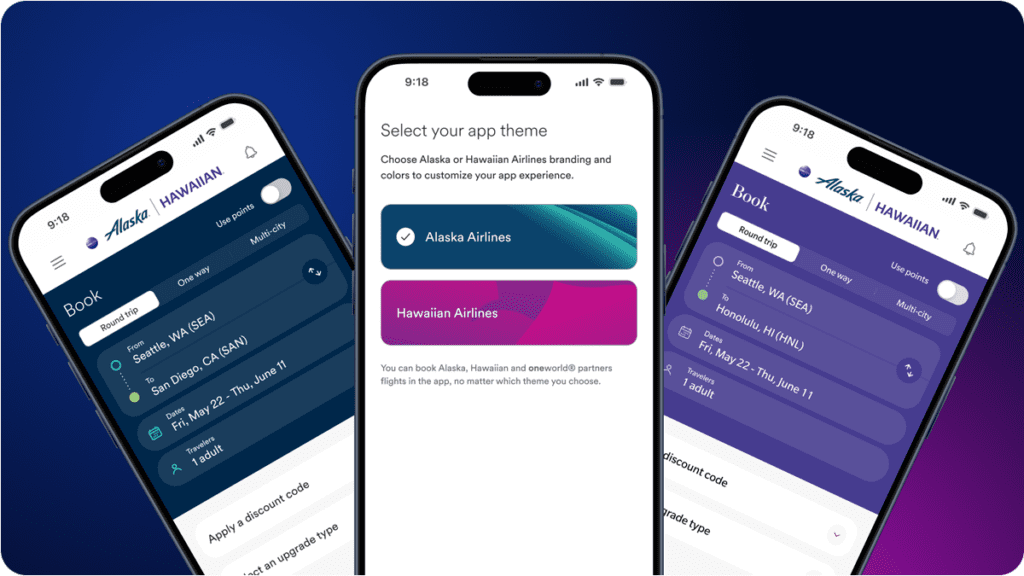
Book flights across both airlines and partners
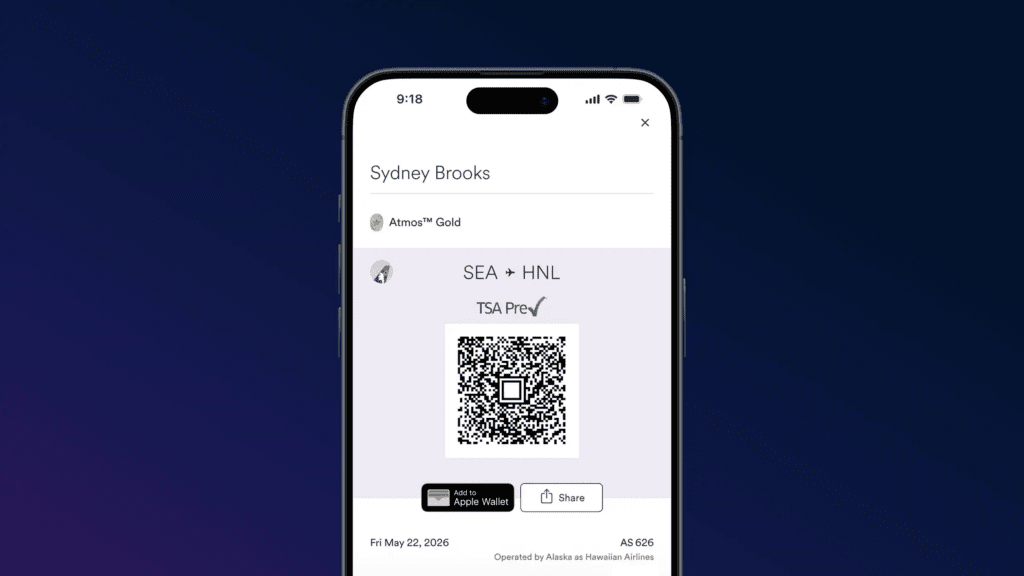
Check in and access boarding passes
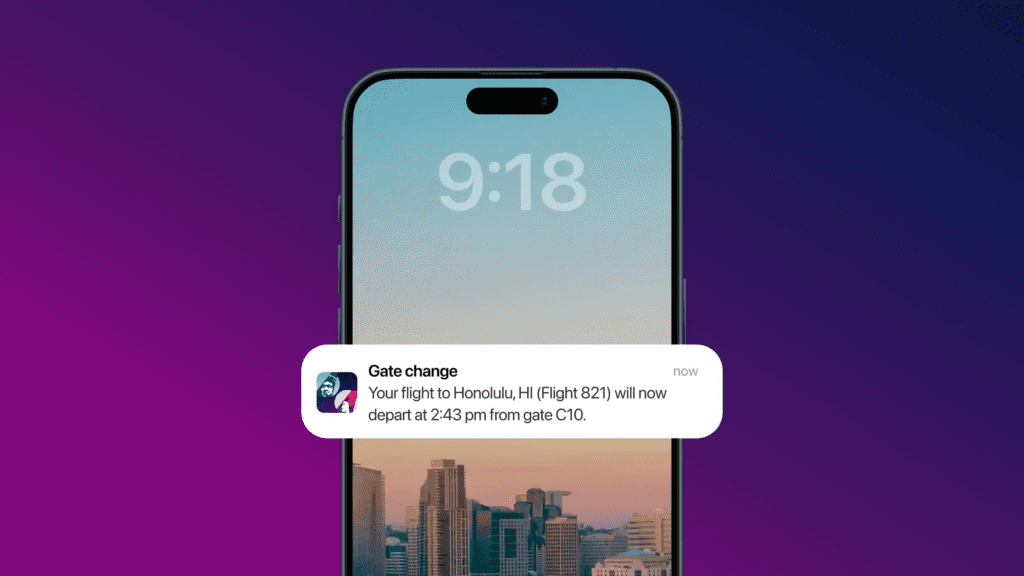
Receive real-time updates and notifications
Change or cancel flights directly in the app
Use Apple Pay for purchases
Share boarding passes easily
There’s also an option to toggle between an Alaska or Hawaiian “look and feel,” which feels like a nod to preserving brand identity—at least visually.
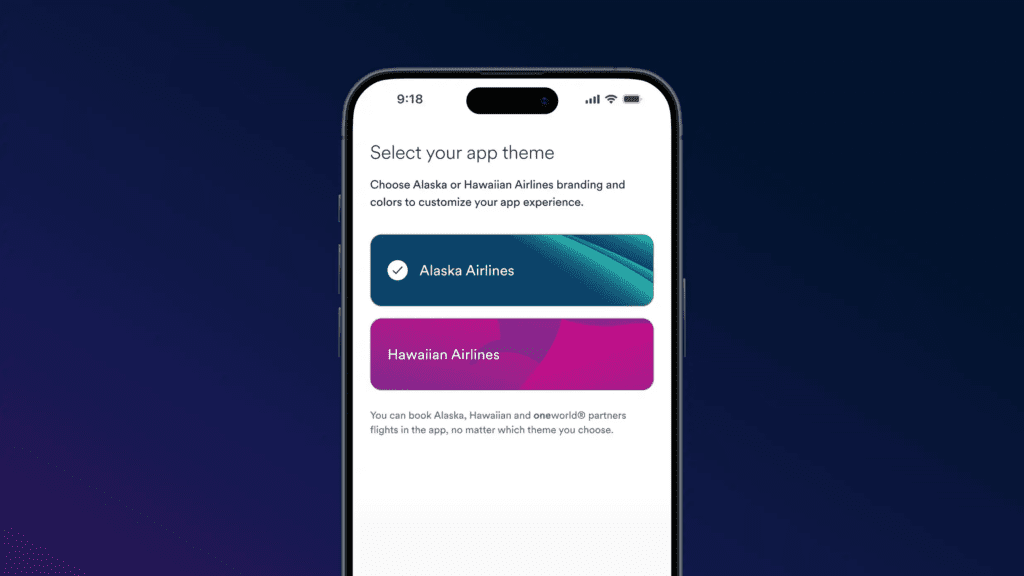
But make no mistake: this is a single system underneath.
The Bigger Picture in Hawai‘i
From where I sit, this rollout is about more than convenience—it’s a visible step in the deeper integration of Alaska and Hawaiian Airlines.
Hawaiian Airlines has long been more than just a carrier. For many here, it represents a connection to home, culture, and community. Even something as simple as an app carries that identity in subtle ways.
So while a unified system may reduce friction, it also raises a quiet question:
What does “Hawaiian” mean within a larger, combined airline moving forward?
That answer won’t come from an app update—but this is clearly part of the transition.
What to Expect on April 22
Here’s the honest truth: we don’t fully know yet how smooth this will be.
Large system integrations like this rarely go perfectly on day one. So if you’re traveling around that date, I’d plan accordingly:
Double-check your reservations ahead of time
Download and log into the updated app early
Take screenshots of boarding passes just in case
Arrive at the airport with a little extra time
This isn’t about alarm—it’s about being realistic.
A Reset Travelers Have Been Waiting For
There’s a lot riding on this launch.
If it works, it could finally deliver what travelers in Hawai‘i have needed for a while now:
A clear, consistent travel experience
Fewer digital headaches
Less confusion between systems
If it doesn’t, the frustration we’ve already seen could deepen.
Either way, April 22 is the date to watch.
And like many of you, I’ll be paying close attention—because for those of us who depend on these flights, this isn’t just about an app. It’s about how travel in and out of Hawai‘i is evolving in real time.